A Picture of Time – Janelle Hardacre

I capture happiness for a living. Well, that’s how I like to think of it. When anything happens in Whatley Bridge, be it a birth, a red squirrel sighting or a pancake tossing world record attempt, I’ll be there, snapping.

I’d heard through the gossip brigade that a new ‘artisan’ cheese shop was open on the high street. Big news in the village. Naturally, off I went to get some photos. I was already composing them mentally. The treasure trove of Edams, Red Leicesters and Yorkshire Blues lined up like museum exhibits, the proprietor standing behind, a glint of pride in his eyes. I snapped a couple of exterior shots while the afternoon light was just so, then headed in, my Olympus E-P3 and Rolleiflex clacking around my neck. My heart near-ruptured when I clocked the lad behind the counter. He must’ve noticed my face crease into disbelief. I’d gone to school with this boy, forty years ago. It was him, clear as day. Ted. His emerald green eyes, muddy hair and elongated limbs.

“Er…ehm.” Well, at this point, full sentences had eluded me.

“You alright mister?” the lad said. It was an odd relief to hear that his voice definitely wasn’t Ted’s. It was bouncy, Southern. Foreign sounding round here.

“Oh yes. Sorry lad. It’s just. For a second I could’ve sworn…” The boy cocked his head slightly and nodded at me.

“You know Ted don’t you?” Hang on, I thought, how did he? “Grandaaaad,” he shouted like a circus ringmaster. “Another one of your old mates is heeere.”

“You what son?” came a bodiless voice from out back.

I was still befuddled when a tall fellow in a white coat lolloped through, wiping his hands on his green apron. A child would see him as Father Christmas. A jolly, pink face surrounded by bristly white. Those green eyes were unmistakeably Ted’s.

“B-blimey. Willie Naylor!” He said with the same stutter that had developed seemingly overnight all those years back.

“One and the same. How do Ted?”

We stood, wordless, for a few seconds, settling into the strangeness of the moment.

“By, when did I last see you? Must’ve been s-secondary school.”

The word school spiked in my gut. Momentarily hazy, I steadied myself on the glass counter, leaving a clammy hand-print. Ted squinted at me for a split second, then shifted to a new topic.

“S-so, snapper are you?” He said, nodding at my cameras.

We stood there like the two old codgers we now were, sharing snapshots, the details we were happy to air, the major milestones. He had to crack on, but promised me he’d let me take some candid portraits later on. A date was set for that evening at the Tap and Spile.

I left the shop feeling…out of sorts. The village square looked the same, yet unfamiliar. Everything too close, too loud. I was suddenly at my front door, with no solid memory of the walk home. I stumbled towards the sink and vomited, hands trembling as I searched for the nearest sturdy thing to grab. Pictures. More pictures. They flashed and changed. Young Ted skidding towards me playing cop to my robber, then hiding under the leafy strands of the willow tree. Then playgrounds, blackboards, that long wooden ruler, a hand with nails bitten to the quick.

I came to on the kitchen floor, my bag of bags having broken my fall. I blinked up at my Leeds Rhinos clock. Five thirty. Ted. He was expecting me at six. I held my forehead in my hand. I had no number to call and cancel last minute. The thought of my old friend, drumming his fingers on the table, watching the door, made me feel queasier still. I couldn’t just not show. I couldn’t.

I hoisted myself to a standing position and flexed creaky limbs to check for damage. Nothing to report. I breathed in as hard and deep as I could…and again…and again. I was still wearing my coat so I simply slung my camera over my shoulder and walked ten steps to the door. I locked it and just kept walking.


I arrived first. The fusty smell of the pub was a strange antidote, like familiar slippers. Safe. Yorkshire voices overlapped, the slot machine tinkled electronically and the fire sputtered in the corner. Jack, the broad-shouldered landlord who I’d known since he was a scruffy blonde-haired mite lifted his eyebrows in my direction.

“Pint of pale?” he said as a statement and a question.

“Please lad.”

I fretted that I looked as peaky as I felt, so I straightened my back and tried to make my eyes smile. I had sight of the door, a warm waft from the fire and all the antique teapots I could imagine to occupy my thoughts. I sipped, relieved when the ale stroked its way down, soothing my clenching stomach. Then, there was Ted, limping over sloshing the head of his pint onto his hand. It seemed natural to hug, the years disappearing like kindling in the fire.

“Come on. Let’s get a few snaps before we get merry,” I said, pointing the lens in his face before he could protest. I captured him, mid-chortle, then some more of his humble glance to the side. I’d caught him well. My best pictures were always taken before people had a chance to register the camera. “That’ll do nicely. Are you on that Facebook? I’ll upload them to the Whatley Bridge page. Let everyone know you’re back.”

“Oi! You’d b-better let me check ‘em first. You blighter.”

We supped our pints.

“So,” Ted started. “S-still in Whatley then fella? Sometimes wish I’d never left, like. G-god’s own country, eh?”

“Oh aye. I couldn’t leave. Never did find a missus, me. So I tell people I’m married to this place, like. Anyroad. Let’s hear what you’ve been up to for forty years, then.”

For someone with a speech impediment, Ted didn’t half like to talk. I was glad. I still felt drained. His hands flailed, he laughed from the pit of his stomach. He’d had a colourful life. A sad one too.

A pause opened up in his storytelling. He stared into his pint. “So, St. Mark’s eh? Seems like another lifetime. Still in t-touch with any of the old gang?” The air changed. I picked at a dent in the wooden table.

“There’s still a few about. No-one from our class I don’t think. Des passed. Did you hear? Heart attack…” Ted nodded. “And Peter Sanders? He sold up his barber’s shop not long back. Packed off to Spain or summat. Oh and Tony. Did you know him? He lives with Joan, up top.” Ted nodded again and made a few humming sounds. It went quiet. I picked at the varnish and avoided Ted’s eyes. A creeping feeling suggested we were headed somewhere.

“Any of the t-teachers still going? Or are they all…?” He tried to smile when he said it but a crease in his brow gave him away. “By…I’m glad that corporal punishment lark is a thing of the past now. To think of my Grandkid…” his voice trailed off. I looked up, then, straight into his face and saw a look of torment I’d seen in my own mirror many times. We held eye contact for long enough to confirm the issue we’d been steering around.

“Mr Richards?” I whispered. “You and all?”

Ted breathed in for an inordinate amount of time. Then finally exhaled. “Aye.” He shuffled his stool and walked to the bar. A few seconds for us each to compose ourselves.

“Have..d-did you…ever, tell anyone?” Ted leant closer to me, clearing his throat. I kept picking, feeling the flecks of varnish stick under my nail. I shook my head.

“You?”

“Yeah. Well. J-just my Sylv. B-before she passed. No one else, like. She were always adamant I should report him. Didn’t see the p-point. Didn’t think anyone would believe a word. No way to prove ‘owt.”

The same mental ground I’d trodden thousands of times. I toyed with a thought. Wondered whether to say it.

“You know…he’s still alive. In a home up Otley way, last I heard.” Ted went visibly pale. He rubbed his face with his hands.

“Another?” he said, standing up.

“Yeah. Go on. Pale.”


I didn’t notice it getting dark out, the punters thinning out. “Sometimes, I’ll realise a few whole weeks have gone by, where I haven’t had nightmares or swear I’ve walked past him on’t street. I’ll feel like any other chap. But then, summat small will trigger. Some scratchy fabric or someone with bitten nails. Then…” These thoughts. Out loud. It felt so alien, yet safe to articulate them to my old friend. They were finally outside of my head. And he believed me.

“Aye,” Ted said. “I know what you mean. I’ve managed to b-bury it somewhere to be honest. Like it was someone else. But I never really…”

The last orders bell pierced into our private world. The two of us jumped in unison. The two of us gathered our bits, stood and patted each other’s backs. The two of us were connected, now.


The BBC Panorama theme tune flooded my front room. I’d barely blinked or breathed for half an hour. A full, tepid brew was still on the footstool next to me. I walked straight to the phone in the hallway which started to ring before I got there.

“You s-see it?” Ted’s voice said before so much as a hello left my lips.

“Yeah. I did.”

“They b-believed them, Willie.”

“I know….Reckon, reckon there might be more, like?”

“There must b-be, kid. Just to think. He’s g-got away with it. All this time. Reckon it’s ab-bout time to…you know?”

“You know what, Ted? I do.” There was a long pause.

“Right. Right. Tomorrow, then?”

I swallowed, staring at the old school photo I’d dug out which was slotted into the corner of my cork board.

“Tomorrow then. Together. I’ll call you in’t morning.”

I placed the phone into its caddy. The word tomorrow echoing in the hallway.

 

Cabinet Of Heed footer logo

JANELLE HARDACRE lives in Manchester and writes short fiction when she’s not working in communications or singing. Her work is published in Spelk, Dear Damsels, Ellipsis Zine, Pygmy Giant, Paragraph Planet, FlashFlood Journal and Reflex Fiction. Her story Late appears in William Faulkner’s Typewriter, an anthology by students from Comma Press’ short story course. She blogs at janellehardacre.co.uk and tweets @jhardacre1.

¤¤¤

Image: Samuel Zeller on Unsplash

How I Became A Star – Sharon Telfer

They will say it was the sway of my hip, my hair’s lustre, that gleam of sweat beading my spine. Or they will call me, only, beautiful. What more could you need to know of me, after all? In truth, I was a girl like any other, dipping my pitcher in the dappled river, dreaming those dawn-rubied droplets jewels, a burbling fool, babbling as the birds themselves fell silent, as even the water’s dimpled flow slowing, slowing … stopped.

Look! Look up! On the far bank – there – steam-snort of breath, the flehmen curl, branches that twist, then step from the tree. My heart beats once: magnificent creature! Twice; and I know the truth of him by the infinity in his black eye.

And crashes, shatters my pitcher as scrumble, stumble, I scramble – and the drenching wave of his plunge – and my toes sliding, mud sucks, slipping slime – he has come before – yessss, up, hah, running – come for my sisters, in his shifting shapes – oh my treacherous skirts snaring – and the thrud of hooves quakes the air – nothing, nothing to – ‘Mother…!’ – hold, throw, stab – ‘Help me, mother!’ – she snatched, I saw, seized their sweet selves from him, recast … iris swallow laurel … see … See! … she greens my fingers opening tips bud but too, now? no, too late, no, too his hot musk blasts my scalp tines tear my skin and I am down and the agony of his power roots me and I am splintered.

My tardy goddess gathers what is left and hangs me blazing in the cold sky. She means it as a kindness in her way, but now their ceaseless observation will not let me be. They tell my story, pin me to their maps, probe my glare with their bleak gaze as I circle through the mute, eternal dark.

It is not my fault I caught the eye of a god.


Cabinet Of Heed footer logo

SHARON TELFER lives near York, UK. She has won the Bath Flash Fiction Award and the Hysteria Flash Fiction competitions, and been nominated for Best Small Fictions in 2016 and 2017.

¤¤¤

Image: Dimitris Vetsikas


Who Needs An Invitation – Lori Cramer

Stu didn’t invite me to his wedding, but that isn’t going to keep me from going. No one means more to me than Stu.

On the day of the ceremony, I put on my best black dress and heels, sweep my hair into a sophisticated style, and drive thirty-eight miles so that I can witness Stu promising to love, honor, and cherish a beautiful woman I’ve never seen before. I try my best to hold my emotions in check, but the tears fall anyway.

At the reception, a man asks whether I’m a friend of the bride or the groom.

“Groom,” I say.

“Me too. Stu and I used to play baseball together. My name’s David.” He sticks out his hand.

“Jasmine.” I shake the man’s hand. Why would Stu ask some old acquaintance to share his special day, but not me? “I just can’t understand why I didn’t get an invitation,” I murmur.

David raises an eyebrow. “You weren’t invited?”

“Stu must’ve been worried that I’d disrupt his big day.”

Alarm registers on David’s face. “Does he know you’re here?”

“Not yet.” But he will. Soon. I scan the crowd. No sign of Stu. The wedding party must still be with the photographer. I should be in those photos.

“I could get a message to him for you, if you’d like,” David offers. “If you’d rather not stick around.”

Does this man think I’m stupid? He’s obviously trying to get rid of me. “Thanks anyway, but I’m not leaving until I speak to Stu face to face.”

A moment later, Stu and his new bride enter the banquet room. Everyone claps.

I take a few steps forward, out into the open, where Stu can see me.

Stu’s face blanches. “What are you doing here, Mom?”


Cabinet Of Heed footer logo

LORI CRAMER’s short prose has appeared in Boston Literary Magazine, Fictive Dream, Riggwelter, Unbroken Journal, and Whale Road Review, among others. Links to her writing can be found at https://loricramerfiction.wordpress.com. Twitter: @LCramer29.

¤¤¤

Image: Photo by Alex on Unsplash

A Little Salt in the Soil – Sarah Wheeler

Valencia brought home basil from the grocery store, the kind with soil in a flimsy plastic pot, and set the plant on the apartment kitchen window sill. She poured a little water in the soil and named the basil Bonnie. That night when Milo came home, she made pasta with cream sauce and strips of fresh basil.

“What is that amazing smell?” he asked from the living room.

“I got basil today.” She carried the whole plant to the doorway between the kitchen and living room and held it up for him to see. “This is Bonnie the Basil Plant,” she said.

“Nice to meet you, Bonnie. I think I’m in love with you,” Milo replied.

“Ha-ha,” Val said.

The next morning, Valencia grew conscious of the fact that Milo had been in the kitchen for a while and hadn’t brought her coffee yet. She flipped back the covers and tilted toward the door. In the kitchen she found Milo bending over the basil plant, whispering.

“Mi? What are you doing? Why haven’t you made coffee?”

“I got distracted, sorry.”

Val started the coffee.

A couple weeks later, she had a late shift at work, and when she got back at nine, Milo wasn’t home. She looked around the house for him but knew he wasn’t there. His car was gone. She texted him. His response: sorry had to run an errand.

In 20 minutes, he walked through the door carrying a small grow lamp and the basil plant. He saw her puzzled glance at the plant. “I didn’t want to leave her where the cat might eat her,” Milo said.

“Why didn’t you just put it in the cabinet?”

Milo shrugged.

Val didn’t say any more about it, even when Milo put the plant on his nightstand before bed.

The next morning, after Milo left for work, Val stood before the basil. She stared with her hands on her hips. “What is going on?” she said out loud.

I let him touch me.

Val thought she heard a crinkling sound in the room, but looked around, saw nothing odd. The cat made a ball in the middle of the bed, sound asleep. Val leaned over the leaves, examining; she lifted the pot to eye level.

He thinks he’s in love with me.

Val smelled the plant, still smelled like basil. She bit into one of the leaves, still tasted like basil.

The front door slammed and Val almost dropped the plant. She crept down the hallway, until her husband rounded the corner and collided with her.

“I forgot something. Just have to grab it and I’m gone,” Milo said.

She let him pass, but once he was in their room, she tiptoed back to the doorway and peeked around the corner. Milo was on his knees with his face very close to the plant, stroking the stems delicately. He had switched on the fluorescent lamp clipped to the pot. She could see his lips moving, but couldn’t hear any words. She returned to the kitchen and waited until Milo came out with a book of stamps.

“Found em!” he said, not meeting her eyes.

For the next few days, Val sprinkled a little salt into the soil just before watering. In a week, the tips of the leaves were browning.

“Valencia!” Milo called to her one day. “What’s wrong with Bonnie? Are you watering her, too?”

“I don’t touch it except when I’m cooking,” Val said.

“What have I missed? I’ve repotted her, watered just enough. Kept her under the grow lamp. I’ve done everything the guy at the nursery told me.”

Val maintained her regimen of salting and watering.

Finally, the leaves started falling off and not growing back. Milo left for work one morning, devastated.

“I’m taking Bonnie to the herb specialist this afternoon,” he said.

“It might be too late then,” Val said. “I’ll take it before I go to work.”

As soon as he left, she took the plant in the terra cotta pot and the grow lamp, and put them in a paper grocery bag. She grabbed the garden trowel. She took everything to the park near their house. Under a group of bushes, where the earth was bare and soft, she dug a hole and placed the packet there. Each scoop of black soil whispered over the crinkled bag.

Please. Stop. Please. Stop.

Val finished burying. “Goodbye, Bonnie,” she said.

As soon as he got home that night, Milo asked where the basil was. Val told him that the nursery had said there was no reviving the plant. Rotten roots.

“The roots! I never thought to check the roots.”

“A fungus,” Val added, patting Milo’s back.

They agreed not to try to raise basil again, as the herb proved too delicate for them. When they took walks, though, Val noticed that Milo always slowed down when they passed the spot where she’d buried the basil. When they saw herbs growing in their neighbors’ container gardens, she felt him tense. His gaze lingered a little too long on the oregano. Where rosemary bushes grew by the sidewalk, he ran his hands through the stalks as they passed.


Cabinet Of Heed footer logo


SARAH WHEELER’s work has earned a Glimmer Train honorable mention and is published at The Glass Coin, Bluestem Magazine, and Poplorish. She is also the flash fiction editor at Newfound.org and copyedits for Ruminate. She reads, writes, works with animals, and hangs out with her husband. She occasionally blogs at http://www.sarahjwheeler.com.

¤¤¤

Image: tookapic

The Willow Pattern Plate – Adam Sear

Having escaped from her well-meaning friends – we’ll take you out, cheer you up, take your mind off things – Carrie stood alone in the expertly organised and labelled scullery of Somewhere House, the ancestral home of the venerable Such-and-such-a-family.

Her medication made her vague, and, in any case, she hadn’t really been paying attention.

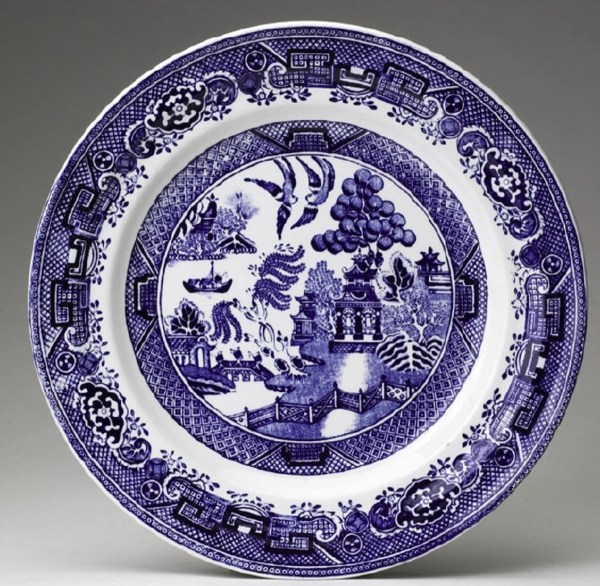
On a nearby sideboard, she spotted the unmistakeable blue of a willow pattern plate. Moving closer, she inspected the decoration. Birds flew to new roosts, a bridge crossed water flowing to unknown places.

Carrie closed her eyes and saw an identical plate falling in slow-motion to a granite floor; dropped by an unseen hand, the debris scattered wide across the spotless tiles.

She opened her eyes and wondered where Ben was. Her little boy. Twenty years old now, but still her boy.

She smiled. Her husband Tom holding him for the first time in the maternity unit, while she recovered from a day and a half in labour and emergency C-section. Trying to shove cereal in his chubby little face, as he wriggled in his high-chair. His quirks and fears. His inflexible mind; his inability to lie. On Tom’s shoulders laughing, striding across the Cumbrian landscape. His oversized sweatshirt on the first day of proper school. His terrifying lack of tact. Ed psychs, tests; a diagnosis. Trial by secondary school. A-levels. Cars. And gone.

A room guide had slipped noiselessly into the scullery. Noticing her, Carrie was suddenly aware of her tears. Embarrassed, she turned away, and dabbed her eyes with a greying tissue.

The room guide was a young woman, about Ben’s age. Carrie had often tried to imagine the girl Ben might one day bring home. Perhaps she’d be a bit like this. Slim, dark-haired, glasses that hid her brown eyes and made her look bookish. She saw the room guide in a wedding dress, standing next to Ben. He was older, his skinny frame filled-out, bearded. His father’s child. In her mind, his face morphed into Tom’s. Now, Tom was the groom, this young woman was the bride…

“No…” she said.

“Are you alright, madam?” asked the room guide. Her voice was low, gentle.

Carrie’s heart was thumping hard. She breathed, three seconds in, three seconds out… It calmed her a little, like her counsellor had said it would.

“I’m fine. Perfect, thanks,” said Carrie. Just like you, you cow.

The day it happened, she’d been shopping. Walked into the house laden down with cat food and loo rolls. The glamour. Tom and Ben were in the kitchen. As usual, Ben was in his Spiderman costume. He couldn’t be extracted from it without a screaming tantrum.

“Carrie, I’m so sorry, Ben had one of his moments… Your grandma’s plate got broken…”

In the scullery, as the guide watched, Carrie ran her index finger around the rim of the plate. As she traced the circle, she felt slight indentations where tiny chips had flaked away over the years. Tell me not to touch, I bloody dare you…

Carrie, snuggled on the sofa with Ben watching some animated movie for the seventeenth time.
“Daddy dropped it. Not me.”

It was the first lie to be exposed.


Cabinet Of Heed footer logo

ADAM SEAR lives in Northamptonshire. When not busy earning a living teaching, he writes short stories and creative non-fiction. He is currently studying part-time for an MA in Creative Writing with the OU. His interests include: cosmology, sci-fi, history and the natural world. Strong tea, no sugar.

¤¤¤

Image: Public Domain

On Tuesdays, Erika and Malcolm Go Swinging – Kathy Hoyle

‘Wear the black ones, darlink.’ Erika instructs.

Malcolm likes the K. It always jolts him, like the light spank of a buttock. He pulls out black silk boxers from his dresser and slides them up his legs, they catch a little on his thighs.

Erika squints at him through her Gauloises smoke. She hates the French-ness of them but cannot seem to acquire the taste for a different brand. She compensates with a lack of garlic in the goulash and a refusal to wear Chanel. She despises soft-focus.

Malcolm dresses quickly leaving his gold cufflinks and watch on the dresser. He takes his embossed, Italian leather wallet with one black credit card inside. He puts it neatly in his blazer pocket and stiffens at the sight of his wife. He is amazed at how beautiful she is. He has stopped questioning why she would want him. The answer floats above them relentlessly but Malcolm refuses to pluck it from the ether and examine it closely.

‘We’ll walk tonight.’ Erika declares, buttoning a black cashmere coat over an ivory corset. She stops briefly to straighten the seam of her stocking. Malcolm follows her from the bedroom.

Erika’s spike heels click-clack on the pavement as she strides through the November mist. She checks her phone for the address and calculates twenty minutes, allowing for Malcom. He slip -slops behind like a seal.

‘Why so fast, my love?’ he implores.

She stops. Faces him. He pants before her.

‘Are you excited?’ His grin lifts his chins.

‘I’m cold,’ she snaps and click -clacks away.

The house has stone steps and a door with a stained -glass arch. Golden tendrils of light bathe Erika as she jabs the bell. Malcolm stands in the shadow. The door is opened by a bearded man, young, intense. Erika wonders what the catch is. They rarely look more appealing than the photograph.

Malcolm huffs behind her. Surely etiquette decrees that the lady should greet them. He wants to see the menu before he eats. The young man leads them into the hallway. Their anticipation is soaked up by an exquisite rug. A woman appears, brunette, immaculate.
‘Ah!’ Erika understands.

The woman has a line-free brow and feline green eyes, amused but wary. Thin, pleated lips betray her age.

She smiles with approval at Erika and glances at Malcom. The smile remains expertly etched on her face. Erika muses at the cost of the bearded man as he shows them to the charming lounge. They drink champagne until the women’s smiles soften and the men harden.

After drinks, Erika relaxes in a high-backed Edwardian chair, one spiked heel resting on a polished side-table. She is careful of the lamp. She seeps disappointment into the young man’s mouth, stroking his bare, muscled shoulder. She observes Malcolm’s dough -white buttocks, quivering with effort, as he thrusts into the supine brunette.
Erika closes her eyes.


Cabinet Of Heed footer logo

¤¤¤

Image: Andrew Martin

The Illustrated Encyclopedia of Knots and Ropework – Anne Summerfield

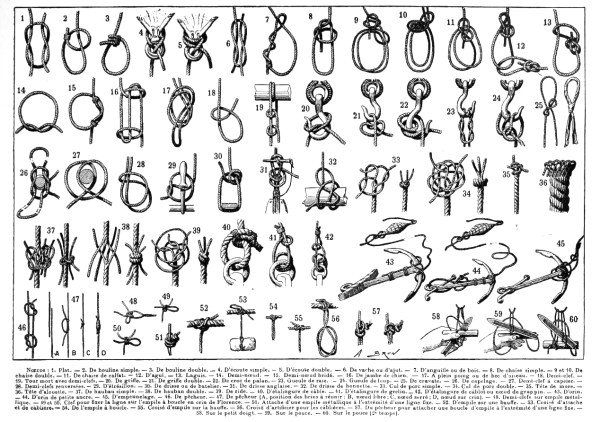
Charles spends the holiday learning knots. There’s a book in their rented cottage alongside leaflets for Blackgang Chine (coupons expired the previous year) and slightly frayed postcards from the waxworks museum in Brading. She tries Charles with these, might be nice places to go, and he glares at her and returns to the book’s coloured illustrations. Tumbling thief knot, he reads. Alpine butterfly bend. Clinging Clara. He laughs and it feels like the first time in years. Clara like you, Mummy!

She gives in as she knows she must. Goes to find a shop selling rope – just thin, just light. There are places in Cowes catering for the many yachtsmen, luckily, and Charles seems to regard the outing there as more of a treat than the Dinosaur Museum or Robin Hill adventure park. A holiday should be a time to do exactly what you want and this holiday is the best chance they’ve had to do that for too long. Clara drinks camomile tea and reads novels and Charles knots, from time to time demanding props – a small anchor, a hook.

Not that one, she says when he takes too much interest in the Strangle knot. Surely not that. He gives her a look as if he understands, but continues anyway. His father’s son. Then he asks for more rope. In the shop, the chandler smiles sympathetically. And by the end of the week Charles has mastered the Good Luck knot and makes her a gift of it as a keychain.


Cabinet Of Heed footer logo

ANNE SUMMERFIELD’s recent publications include stories in Sleep is a Beautiful Colour (NFFD Anthology 2017), and in the 2017 Flash Fiction Festival anthology. Her story ‘Lamb’ was nominated by Ad Hoc Fiction for Best Small Fictions 2018. She is based in Hampshire, England and tweets infrequently as @summerwriter

¤¤¤

Image: Public Domain

The Power of Three – Stella Turner

Half submerged in darkness and ascending into the light of conscious thoughts and good deeds the house lives and breathes as I do. I am me as the world sees me. I support charities, I go to church, I think good of all but the postman never calls. He leaves the letters, junk mail, the occasional parcel in the boat house. I walk to collect them thinking of seaside holidays and dive bombing seagulls.

Birdsong disturbs my peace. Rooks that live in the rafters of my home call to each other. Chilling echoes of bad times and fears of children trapped in unfulfilled ambitions. I feel free.

The lights of the house flicker three times before illuminating the shadow of the tallest tree across the lake as non existent. It’s Tuesday. I want tomorrow to be Friday, the day of my funeral. It’s a new concept I’ve devised. Why not be present at your own end of life celebration. Hear the eulogy and see the tears falling like rain, a light shower or a torrential deluge if you’re blessed.

A face, old and pale appears at a bedroom window. I wave. It shuffles away appearing at the front door. I wave again and Brian stands by my shoulder, young and athletic. His breath is fetid. He’s been eating sardines again. I watch the shoal beneath the surface of the water. Wishing they were mackerel. He traces the figure three on my forehead and I see Marsha rowing across the lake, sardines jumping into the boat, tomorrow’s lunch sorted.


Cabinet Of Heed footer logo

¤¤¤

Image: Gedesby1989

How to Have a Conversation – Pat Foran

I had the kids for the weekend, which meant we had another opportunity to connect. Or reconnect.

A good place to do that, I thought, would be the pop-up coffee shop everybody was talking about — a giant shoe box of a shop on a low-tide terrace near the coastal suburb of Subtext. I’d heard the baristas served frosted mini-epigrams, existential wheat toast and guava crepes. They also had those little bottles of cold brew and a swelligant Mexican latte. So I hustled the kids into the Chevy Cobalt and we headed for the shoe box.

What is this place? the kids asked as we pulled up in front. “It’s a pop-up coffee shop,” I said. Why does it look like a shoe box? Is it supposed to be cool? Also, we don’t drink coffee. “They have other stuff here.” They didn’t seem convinced. A velvet rope? Really? Also, Mom would never bring us to a place like this. “Right — Mom,” I said. “But this is something the three of us can do together.”

They looked at me. I looked at them. Jellyfish clouds hovered over the shoe box like a series of rhetorical questions.

“Look — there’s writing on the wall,” I said. That’s a door, Dad. “Ok. It’s a door. What does it say?” It doesn’t ‘say’ anything. “Come on now. There’s a note.” It was the menu. I read from the top: “‘Welcome to The Convo Pit. We’re All Talk … All Talk and Guava Crepes.'”

I asked them if they wanted to try the vegan crab cakes. A sweet potato chickpea buddha bowl? The guava crepes? Your call, Dad.

We entered the shoe box. I ordered the crepes. What’s that guy doing? the kids asked, pointing to a thirty-something sitting in a red plexiglass box that looked like a British telephone booth, sipping a Mexican latte and pounding his laptop keyboard. “He’s writing something,” I said. Writing what? they asked. The guy who was writing overheard us and said I’m talking to a friend and the kids said But he’s not talking and I said “Typing can be talking” and they said But he’s typing like he’s mad is that still talking? and I said “Good question” and the guy who was typing said Would you mind? so I said “Let’s sit over there and leave him to his type-talking.”

Instead, the kids made a beeline for a woman who was reclining in a vintage barber chair with big-honking foot rests. She had a buddha bowl in her lap and was talking to her iPad screen — Did you hear that?! He stole a car and the cops were chasing him and he crashed into a truck full of I don’t know what those are. Are those mountain goats? That guy must be high. Hey are you high or something? The kids asked her who she was talking to — Live PD, I’m watching Live PD, she said — and the kids asked me why she was talking to a TV show. I said she wasn’t talking to a TV show. Then who is she talking to? What is it called when somebody talks to a TV show but isn’t talking to a TV show?

Before I could answer, the kids were off again, racing toward two guys who weren’t exactly yelling, but they were really into whatever they were talking about. They were facing each other, sitting in a white gilded kayak with a stocked minibar. Dad — what do you call this? “They’re just having a conversation.” How do you have a conversation? “Good question,” I said, a question I wasn’t sure I knew how to answer. Not anymore. They said: Why not? Why don’t you know?

I thought about their Mom and how we often spent summer evenings in separate rooms — she watched baseball and read Schopenhauer, I watched 70s sitcoms and reimagined my flaws. I thought about how she resented the way I interrupted her when I asked her to cut to the chase. How I dreaded the way her eyes disappeared when I got going on a subject I cared about. How the pop-up shop’s upside-down-egg-carton-of-a ceiling looked like a papier-mâché figure of speech. How my pulse beat like a dramatic pause in a miscast biopic. How the soft, sour-sweetness of the guava crepes wasn’t helping to heal the hole in the argument that is my chit-chatting heart.

I thought a bit more about their Mom and I, and the light I thought I could see along the unscripted coast outside the shoe box. I thought about not answering the kids’ question. I opened my mouth to speak.

“I think … it’s not … I mean … “

They told me it was ok, that I didn’t have to go on. That the important thing was that I tried, however unfocused I might have been, to answer their question. You did provide a little context, they said, adding that they probably would be better off reading a book by a linguistics professor — they’d heard about one who was known to be succinct and sanguine on the subject. They also could study the dialogue in movies they admired. And they would consider posing the question to their Mom.

I appreciated their graciousness and thanked them for understanding. They said they’d take a rain check on the crepes and suggested we blow that pop-up stand. Maybe we can talk a little on the way home, they said.


Cabinet Of Heed footer logo


PAT FORAN is a writer in Milwaukee, Wisconsin. His work has appeared in such publications as WhiskeyPaper, MoonPark Review, Unbroken Journal and FIVE:2:ONE #thesideshow. Find him on twitter at @pdforan

¤¤¤

Image: Wendy Julianto

My Interview for the People Removal Position – Michael Carter

When I first saw the posting, I knew the job was for me. “Wanted: People Removal Technicians. Must have valid Class A license & ability to operate a Mack-Five plow w/proficiency. Must be available to work night/early morning shifts when traffic is light & on short notice when bodies accumulate rapidly on streets. Prior felons/DUI need not apply. Pay $17/hr. Great benefits. Applications at City Hall.”

I thought the interview went well. The guy asked me standard questions about how long I’ve lived here and where I went to school. But then he jumped right into a bunch of stuff I could care less about.

“What if you see someone on the road you recognize?” he’d ask. Or, “How will you deal with clearing children off the road?”

I know that stuff’s important, but he just went on and on. “Say a head comes loose and gets stuck in the auger; will you be able to pull over, get out of the plow, and free it?”

“Yeah, yeah, yeah,” I kept saying. It’s a people-removal position. I get it. What I wanted to hear about were the perks of the job, you know, where you get to drive and how fast, working extra hours, stuff like that.

“Will I get to do the Bigelow Gulch Parkway route?” I’d ask. He’d poo-poo the question and say something like, “We’ll discuss that later if you get the job.”

Or I’d say, “I don’t have anyone to watch my daughter in the afternoons. If I gotta work then, can I bring her with me? She loves riding in the Mack-Fives.”

He hum-and-hawed about that one and then went right back to questions about ethics, medication, and things like that. He also said something about them needing a blood test and psych exam if things went forward.

For the most part, I felt I did well. The interviewer said I didn’t even need to send a thank you letter or follow-up with a call. “We have a lengthy list of highly qualified candidates this year. We’ll call you if you’ve made it to the next stage.” He gave me a firm handshake and smiled, so I felt pretty good about it.

It’s been over a month now and no call. I know they’ve hired others because the streets are cleared more regularly in the morning when I take my daughter to school. It’s a bit discouraging to have waited this long when I know they need the help and I’m qualified. I’m a positive thinker though; I keep my fingers crossed.

I also pray every night in my head. Please, Lord, I want that people removal position. I’ll work hard and do the right thing, promise. I feel the job was made for a person like me. It’s all I’ve ever wanted to do.


Cabinet Of Heed footer logo


MICHAEL CARTER is a full-time ghostwriter in the legal profession. When he’s not lawyering, he writes short fiction and creative nonfiction, fly fishes, and spends time with his family. He also enjoys cast-iron cooking and occasional India pale ales. He’s online at http://www.michaelcarter.ink and @mcmichaelcarter.

¤¤¤

Image: Photo by Rene Böhmer on Unsplash

Perfect – Elisabeth Alain

Pulling a brush through knotted hair, she lifts sections of it high and straight. The bedroom light shames her roots, picking out thin white lines against chestnut brown, blending into one shade of hair dye then another. Through to the ends and out, she studies the hairs that cling to the bristles. More than yesterday. Setting the brush down on the narrow shelf, she remembers long, glossy waves that used to turn heads.

She touches index fingers to soft under-eye skin, drawing down her lower lids. The reflection of her face becomes its ugliest self. Thin red lines crawl over the whites of her eyes, green irises suspended in a tangled web. She closes them, tugs at papery skin and sighs. Feline flicks framing second-too-long stares at men she wants and men she doesn’t are a thing of the past.

Stepping back for a full-length view, she stands, naked, gooseflesh rising from the draft blowing though the open window. She frowns at her small breasts, cups the curve of her hip bones, then turns to assess the size and shape of her buttocks and thighs. Acceptable, but not attractive. Unhooking her gown from the back of the door she puts it on, pulling in the belt tighter and tighter, to see how small she can make her waist. She stops when it hurts – then pulls a little more and ties a tight knot. The hourglass figure is hers – until she needs to breathe. She loosens the belt and lets herself soften. Sliding painted toes into comfy slippers, she sits down on the bed, pushes her make up bag to one side and picks up her iPad.

Soft-focus filters, puppy-ears, doe-eyes, flower crowns, and editing apps that take off ten pounds aren’t enough, not when she knows the truth underneath, and she’s had her fill of lies. A quick search points her to a clinic just outside of town promising free consultations, finance options and life-changing outcomes. She makes her decision. The settlement will cover the cost, and she’ll be perfect again by the end of it, ready to start over.


Cabinet Of Heed footer logo


ELISABETH ALAIN lives in Worcestershire, raising two daughters, reading, learning and writing poetry & short fiction. She has recently been published in Ellipsis Zine.

¤¤¤

Image: Engin Akyurt

Create a website or blog at WordPress.com

Up ↑