Enduring Night – Judy Darley

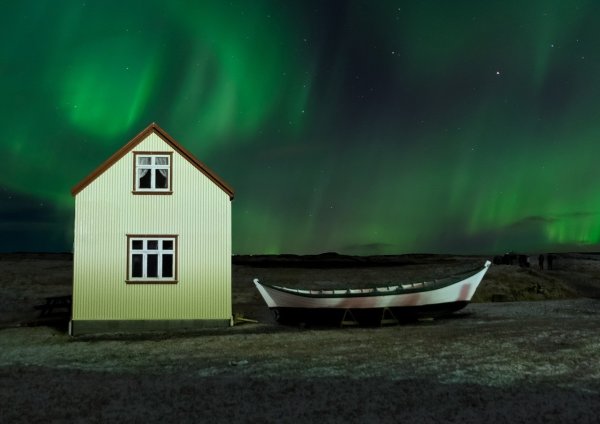
I haven’t been here yet, but this is what I imagine it will be like. Dark as ink from waking till sleeping, with an occasional reprieve when the sun lifts its lead-heavy head. Fissures of aurora borealis dancing above bare-branched trees as ice crystallises in the air. Eyeballs rolling in the fight not to freeze; skin tightening; breath blooming like fog.

Laughter – awkward, as I try to understand this alien place where myths create a richer backdrop than the cityscape where we fell out of love. You, at ease? Or uncertain too, embarrassed by the suddenness with which you left me behind.

I’ll meet you at the hotel you’ve recommended, a boutique one that exploits its eccentricity to holidaymakers who regards it as ‘quaint’. By the time I reach you, I’ll have travelled from the airport to Reyjavik, by winged chariot perhaps – although my funds are limited, especially in this climate.

The volcano slumbering nearby, an ever-present danger, grumbling quietly through its dreams.

Every cell of me will be tingling from the extreme temperatures. I can’t even anticipate the cold that awaits. During a winter stroll on Clevedon Pier, when sea battled wind and my nose was crimson, I asked: “Is it like this?”

You’d beamed at my naivety. “It’s more like when the shark bites the legs off the girl in Jaws and she doesn’t even know until she reaches down, feels the sliver of bone…”

Hmm, inviting.

I’m the kind of person who is always cold – who can sit indoors on a relatively mild day with the central heating switched on, and still shiver. The idea of your sub-zero homeland makes me nervous – I’m already bracing for the shock.

In just a few hours, I’ll be standing in the hotel foyer, scrabbling through pockets for a lip balm, when I’ll feel your gaze fall on me. My suitcase at my feet, coat half unzipped, I’ll cease my searching and raise my head.

But I know I’m not travelling in hope of reconciliation. You made that all too obvious in your tentative email – your painfully polite request for us to meet up so you could apologise in person. You offered to come back to England, but in an abrupt way that made it clear you’d rather not.

“It’s one of the steps,” you told me in our first Skype chat since you left. “I have to make amends. I’ll pay for your flight, Steph.”

My sister looked at me hard as she dropped me off at Bristol airport. “There’s no such thing as a free trip,” she warned me. “You don’t want to do something you’ll regret. Tell Arn you have your period.”

I laughed. “What? Nice to see you, Arn. By the way, I’m on the blob.”

She nodded. “More reliable than contraception. More reliable than that man after he stomped on your heart.”

“My heart’s just fine,” I assured her.

The phrase rang in my head all through security, passport control, queuing for overpriced airport coffee. It’s drumming now with the rhythm of my pulse as I stare out of the oval window at the cloud-rippled sky. My heart’s just fine. My heart’s just fine. One two, one two…

I sit in my cramped airline seat and imagine Iceland’s enduring night – the magic of easing into darkness, no expectations of dawn until spring. Natural human needs for sunshine suspended.

The acceptance of it must feel like surrender. In England we fight against the cold, the rain, the shortened days. We whinge about needing to switch on electric lights at 3 or 4pm. Every dreary dawn is a disappointment. How much happier might we be to let our shadow-side out, rightful and at home, instead of fearing the dark like children?

If I think of it like that, I can see why you snapped, packed and departed. Your culture and mine are at odds when it comes to elemental things like seasons.

But people do make it work. They have lifelong love affairs despite fundamental differences. Your shame should be less about failing than for your willingness to give up on us so easily.

It’s not like we‘d need to live together, or even in the same country. There’s email, FaceTime and all those other modern conveniences. This flight, for example, takes just a few hours.

If I come all this way and you really do only want to apologise in person, face to face, breathing the same air and close enough to touch, no problem, I tell myself. But deep inside my chest, I feel something smouldering: a hibernating dragon preparing to stir. The naivety of hope isn’t always a bad thing, and in this case, that hope has a heart of fire.

*      *      *

The truth, of course, could not be more at odds to my imaginings. My chariot is, after all, a coach and then a mini-bus; my views sunlit and slanted with drizzle. Daylight comes late here, but dusk little earlier than in England.

The biggest surprise is the country itself. No trees, few houses, but tourists – so many tourists – all clamouring to see the sights.

And you, where are you? There’s a message at my hotel – an apology that I suspect, lips pursed, might be the first of many. Wasn’t the whole point of this trip your opportunity to say sorry? You’re busy at work, but will see me in the morning. You have sights to show me that you’re sure I’ll love.

What makes you think you can guess what I love?

I unpack my case, peel off my clothes and redress, adding the armour of a vest and thermal leggings beneath jeans, a long-sleeved top and the thickest sweater I own. Outside, the rain has stopped and thermal-heated pavements are already drying. A promising snowflake swirls past my nose.

By the time you arrive the next day in your four-by-four, snow is declaring itself the natural state of water here; rain was the anomaly.

Your eyes are the same, almost, although the creases around them seem deeper. There’s a fresh clarity in the way you look at me, as though I’m no longer blurred.

I turn my face away, ducking your gaze.

“Steph,” you say, and I shake my head. A honk of laughter escapes my throat, warding off storms of emotions threatening to descend.

You’re wearing a wool sweater that looks soft to the touch. For an intense instant, I want to rub my face against your shoulder – feel your knitted fleece against my cheek, inhale the lanolin. Instead I present my hand, firmly formal, reining in my beam. You blink, but shake it, agreeing to boundaries.

You tell me we’re going to feed the Icelandic horses.

“But I don’t like horses,” I protest, as we drive through the pewter pre-dawn light. It’s already 10am.

“You’ll like these horses, Steph,” you say, “They’re not a bit daunting. Vikings only brought what they could fit on the boats, and smaller animals allowed more space for alcohol.” You wait for me to join in with your amusement, but I’m only up for a smile.

Memories of nights waiting for you to come home in pieces crowd my mind. My stomach lurches as though it’s on castors.

Throughout our drive from Reykjavik to Þingvellir National Park, you’re quieter than I’m accustomed to. Your profile is sharply offset by the snow beyond, your lovely face tense.

The snow holds more colours that I would have thought possible – curves painted with blue and purple shadows, convex swoops gleaming gold.

At last the silence is too much. I say one word, aware of how heavily the two syllables sit between us. “Rehab.”

You inhale, your focus flickering from the road to me. Somehow your expression is one of relief. “Long time,” you say. “Long time coming.”

“Difficult?” I ask, reduced to one-word-at-a-time questions.

You nod. Your eyes return to the windscreen as you negotiate a patch of black ice. I flinch from the glimpse of unearthed pain boiling beneath your retinas.

“Necessary,” you say.

Rather than bringing oats or hay, you pull in at a bakery and buy dark bread that makes my nose twitch.

“In England we feed bread to ducks,” I say. “And hedgehogs. But we’re not meant to. It’s bad for them.”

“We don’t have hedgehogs here,” you say, missing the point deliberately, I think. “Probably because we don’t much have hedges.”

The horses’ muscled bodies form a snow-matted wall, protecting against the worst of the weather. “They have a hierarchy,” you say as we approach, bread in hand. “This one at the front is the leader. That one alone over there is the outcast.”

The loner, I think. “Poor thing. Or maybe he chooses that,” I suggest, and look you in the eye. I see your jaw clench, then release.

Sensing our lapse in attention, the horses lunge forwards, lips quivering and teeth exposed.

I jump back, and narrow avoid face-planting into a ditch.

You catch me by one arm. “Careful, Steph, the little folk will have you.”

“Who?”

I know the answer – who in Iceland could not? But I suspect it will please you to tell me.

“The elves. It’s like politics in Britain. It’s always those who don’t own up to their convictions who are the loudest complainers about whatever goes wrong. Here, every bad thing is the fault of the little folk.”

I glance around us, and at this ice-white landscape where trees determinedly fail to flourish. I recall your favourite riddle on that subject, shared during a night of whisky, rum and tequila slammers overlooking Bristol harbour. “What should you do if you’re lost in an Icelandic forest? Stand up!”

It’s the differences I like, I want to tell you. The differences between your sense of home and my own. I can see that you’re better, I want to say. I trust in your recovery.

But I don’t want to press the moment to shattering point. “Take me to see the geyser,” I say instead. “The one every other geyser is named after.”

You shake your head. “That one is snoozing these days. His cousin Strokkur is awake though. We can go there.”

So that’s where we drive to next, through hail and wind and the ice that’s slowly thawing between us.

We talk about weather, and the English way of filling silences with talk of the weather.

“In England there is always drizzle,” you say. “And you always need to discuss it.”

“Only because it’s constantly changing.”

“Oh yes, such dramatic change! From light drizzle to heavy drizzle to the kind of drizzle that somehow is lightest of all and yet makes you soaking wet.” You laugh and I laugh too, hearing fondness in your words.

“Mizzle,” I say, presenting the word shyly. “I think it’s a mix of drizzle and mist.”

“Mizzle,” you echo. “So many different words for rainfall.” You sound delighted. The ridicule I became inured to in your drinking days has filtered away. I allow my habitual anxiety to loosen its knots.

The sun creeps out and blue light particles ignite in the sky.

Geothermal heat unleashes lurid green algae, ochre, and a dense peaty brown with shades of purple and gold. A paved track leads through the blue-white snow, with rivulets steaming on either side. A group of sightseers cluster ahead.

You stride onwards as I slither carefully behind.

Everyone is staring at a single fathomless pool. The water is too opaque to see through, but I have the sense of something curled up deep, scales protecting it from scalding temperatures.

I think of the fissures scarring this terrain, hidden beneath the veneer of snow. A small gratitude wells in me.

The pool’s surface begins to slip and slide. A low rumble creates miniscule waves. Strokkur shoots up – a column of energy striking the frigid air. In an instant, it collapses. The crowd cheers.

Show over.

“How’s that for timing?” you exclaim, and I spy a glimmer of your old joyful self. My insides churn, but I match my smile to yours and take your hand in mine.


Judy Darley is a British writer who can’t stop writing about the fallibilities of the human mind. Her work has been published in the UK, New Zealand, US and Canada, and performed in Hong Kong. Judy’s short story collection Sky Light Rain is out now. Find Judy at http://www.skylightrain.com  and  https://twitter.com/JudyDarley.
The Cabinet Of Heed Issue 29 Contents Link

Image via Pixabay

Out With The Old – Sandra Arnold

One hour to midnight. Soon the church bells would peal across the town heralding first-footers along the streets. They’d knock on doors, call out Happy New Year, deliver small gifts of coal, coins and cake. May you always have a fire in your hearth, money in your pocket and food in your belly. They’d be welcomed into houses through the front door and given a glass of sherry and a mince pie before leaving by the back door. Every year Cynthia looked forward to the tradition and the company, though each year the cleaning got harder.

She knelt back on her heels, surveyed the half-scrubbed floor and wiped her forehead. She’d been cleaning since six this morning, but she still had the inside windows to wash and the kitchen benches to scour. Her mother used to say she’d die of shame if Cynthia opened the door to first-footers before the whole house gleamed. She’d impressed upon Cynthia the importance of ridding the house of any trace of dirt from the old year. If she neglected to do this, her mother warned, bad luck would follow. When Cynthia’s father fell down a mine shaft, her mother blamed Cynthia for failing to demolish a cobweb in the kitchen.

After the funeral Cynthia’s brother offered to take over his father’s first-footing role. His flaxen curls alarmed the neighbours who argued that first-footers had dark hair and such a departure from tradition was asking for trouble. The librarian advised them to read local history to learn how these superstitions arose. She added that rampaging Vikings were unlikely to put in an appearance so it would be safe to welcome first-footers of all descriptions. However, the neighbours’ doubts were confirmed when Cynthia’s brother died of pneumonia a week after his night of first-footing. His mother blamed Cynthia for forgetting to defrost the fridge.

For fifty more years Cynthia was meticulous about cleaning every part of the house before midnight. When her mother died last New Year’s Day the neighbours blamed it on the new trend of female first-footing and predicted the end of the world. Cynthia saw no point in mentioning that her mother had died in bed with an empty whisky bottle.

Cynthia rubbed her aching bones and surveyed her half-scrubbed floor, reflecting that now her mother was gone, there was nobody left to see or care what she did. She stopped scrubbing, washed her hands, set out the sherry and mince pies, switched off the lights, lit a candle and placed it by the window. Then she lay on her sofa and dozed until midnight.

She woke to the sound of peeling bells and waited for the crunch of footsteps on the snow, laughter, the creak of garden gates being unlatched, the splashes of light across the dark night as neighbours opened their doors to call out Happy New Year. In the lengthening silence she watched the flame of her candle burn low and heard only the beat of her own heart.


Sandra Arnold‘s most recent books are a flash fiction collection, Soul Etchings (Retreat West Books, UK) and a novel, The Ash, the Well and the Bluebell (Mākaro Press, NZ) which were published in 2019. Her flash fiction and short stories have been widely published and anthologised. www.sandraarnold.co.nz

The Cabinet Of Heed Issue 29 Contents Link

Image via Pixabay

Pan – Christine A Brooks

James was small, so small in fact
that at times it seemed
his body refused to grow at all

he was barely noticed by
his mother —lost among the
many children
many chores
many responsibilities that
come with raising a family

he liked to climb trees but
often could not reach even
the lowest hanging limbs
so instead he would sit
and think about ways to not be
so small

a party was being planned
for the favorite son’s birthday
so, James shrunk even more
and was not seen going down
to the pond to ice skate

what happened next
he would never tell & before
long he was the favorite
—mostly because he wore
the clothes of his brother
who never returned from the pond that day
just one day before his birthday

after that

James never felt small again


Christine A. Brooks is a graduate of Western New England University with her B.A. in Literature and her M.F.A. from Bay Path University in Creative Nonfiction. A series of poems, The Ugly Five, are in the 2018 summer issue of Door Is A Jar Magazine and her poem, The Writer, is in the June, 2018 issue of The Cabinet of Heed Literary Magazine. Three poems, Puff, Sister and Grapes are in the 5th issue of The Mystic Blue Review. Her vignette, Finding God, is in in the December 2018 issue of Riggwelter Press, and her series of vignettes, Small Packages, was named a semifinalist at Gazing Grain Press in August 2018. Her essay, What I Learned from Being Accidentally Celibate for Five Years was recently featured in HuffPost, MSN, Yahoo and Daily Mail UK. Her book of poems, The Cigar Box Poems, is due out in late 2019. https://www.facebook.com/ChrisBrooksauthor/ Twitter: @OMG_its_CBrooks www.christinebrookswriter.com

The Cabinet Of Heed Issue 29 Contents Link

Image via Pixabay
Just say more to me Captain. I need some more said to me very bad – Jim Meirose

The Captain worked shirtless in the hot sun digging post holes for a new fence. His next door neighbor, Iron Mike, would come over watching. The Captain worked hard, digging the first hole deeper. After his second pass with the spade, digging down, loosening the earth, He was using the clamshell digger to pull out the earth when Iron Mike began urging him loudly to stop, because what he was doing was wrong. The Captain stopped, caught his breath, and said to Mike, What’s the matter, Mike? The hole’s a foot down already. If I’m doing this wrong, how can that be?

You did the hole already. There’s dirt from it there you put. Then you just went back to do it again. Why again, when it’s dug once?

I—uh, oh. Okay. I need to go back and do this again and again, until the hole is deep enough. I’m not doing the whole thing all over again.

Yes you are, Captain. I don’t want to argue, but the answer you just gave contains the words I need to go back and do this again and again. Did you not say those words?

The Captain gripped the long poles of the clamshell digger harder, putting into the grip what he did not want to put out his mouth over Iron Mike—please observe, that at this point, his obedience to the third rule of thermodynamics which is the total amount of energy in a closed system cannot be created nor destroyed but only changed from one form to another—that is true, Mike but I also added after the words, until the hole is deep enough. How about that? That make it better? he asked—and, surprised at his patience in correcting simple Mike, he leaned on the diggerpoles with a casual smile, awaited Mike’s answer, and each instant of waiting intensified his compassionately understanding and comforting—comfortably pillow-soft mildly waiting superpatient and harmlessy bland, blank face, into which Iron Mike softly oozed, Oh yes, that makes sense Captain. I realize I was the party in error. I half-listened to your sentence. I jumped to a conclusion. Probably due to the track record you have in failing to accurately answer my questions today, I just leapt to the conclusion that each one in succession today will fail as well and it’s probably best, since I am so conditioned, and know that when one is conditioned to operate in a single given perceptive mode, from word one to word n of any given conversation, consisting of more than three conversational exchanges, its best for me to withdraw from the playing field for the day have a few good meals some nice wine and an on-demand movie tonight, of at least three hours’ duration, followed by at least the classically correct eight hours of sleep, the hot morning shower, the walk around the block, the positive benefits of which would be enhanced by the accompaniment of a leash-trained healthy dog, if one is available, and then back home, a light low-carb breakfast, and I will come meet you here again tomorrow at whatever o’clock sharp I observe you continuing your work from any room of my house with one or more windows facing your yard—uh—I will meet you and we can try again to get the talk off on some different foot than we did today, ‘cause I don’t like doing things wrong, Captain. Please use your tools some more. I need to fix mistakes right away—in that I know I am much like you, Captain—I know you and I are so much alike. I learn how the tools work when I watch you. That’s why, when you come out to do a job I like coming over. I want to learn what all the tools do, Captain. I like to be with you Captain. I like it very much. Someday I want to know as much about tools as you. The things you do make me think and think, Captain. I can’t learn tools no place else, Captain. Like what you said that seemed so simple—right tools for the right job you know that old saying—you said that Captain. Hey. Yes, you did. Listen. I never heard that one, that was a good one Captain, a really really good one man o’ man—hey. Use that one there. What? I never saw that tool before Captain. Use that one. Use any tool at all, sure. Any one of which you will. Just say some more to me Captain.

I need some more said to me very bad.

Where’d you go to Captain?

I need some more said to me very bad.


The Cabinet Of Heed Issue 29 Contents Link

Image via Pixabay
Smoke Rises – F C Malby

Smoke rises from the fire pit, curling into snakes above their heads. Sounds from the black of the forest make Harry flinch and spin his head like a baby owl. He is the only boy to turn his back on the heat of the flames. Robin holds the tin close to his thigh. Their fears, written on pieces of paper in spider writing, coiled tightly inside, ready to burn, sending a spiral up to their ancestors. If a great grandfather can take the thoughts that keep them awake at night, they might sleep easy. Harry wonders how many of them have written about the accident, about how Ed had died on the tracks that night last winter as the mist descended. They all carried the belief that it had been their fault, that they had killed him. 

“What if it doesn’t work?” asks Tony, rubbing his hands together. 

“It has to,” says Fred. He stabs the fire so that the smoke twists and dances until it reaches a point in the sky where it vanishes. 

“Did you hear that?” Robin asks. He rubs his knees, as though summoning something; a genie, or courage perhaps.

They all heard it; a voice from the point where the smoke vanishes into the darkness. 

“What if it’s Ed?’ says Tony.

“Or an ancestor? Someone who is angry?” Robin is shivering but it’s not cold.

“Did we kill him?” asks Fred. “I mean I don’t know if it was our fault or his.”

“What if we all die, too, you know, as punishment?” says Tony. He does not look up.

“It was only a dare. He was meant to get up. I didn’t tie the rope to the tracks tightly. I really didn’t. He was meant to get up,” says Robin. He starts to cry, and the crying gives way to shaking. They hear a sound like thunder and a voice, but they cannot discern any words. The fire goes out.


F.C. Malby is a contributor to Unthology 8 and Hearing Voices: The Litro Anthology of New Fiction. Her debut short story collection, My Brother Was a Kangaroo includes award-winning stories, and her debut novel, Take Me to the Castle, won The People’s Book Awards. Her stories have been widely published both online.

The Cabinet Of Heed Issue 29 Contents Link

Image via Pixabay

Starsky (and Hutch) – Ellie Rees

I found him last week – quite by chance – on line,
he and his blond partner, still fighting crime.
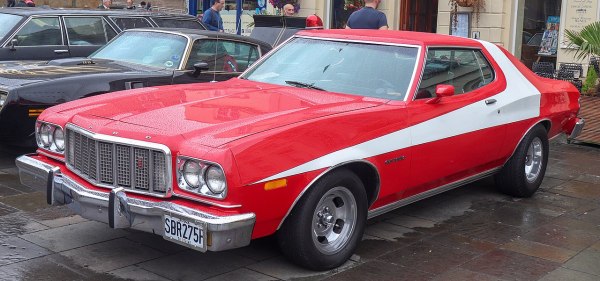
Their leather jackets, his red and white car
it’s the way that he moves… coiled, muscular.
It seems somewhat strange at my age – for surely
I’ve fallen in love once more – with Starsky.

I sit before the screen as Starsky pulls his gun
explodes into a running chase
or it’s when he touches his partner’s face
it’s his tightly wound energy and strength that entice
(I’m feeling a little delirious)
my mind has become
such a glamorous place

But –

Starsky is writing his reports on a typewriter
Hutch records evidence reel-to-reel
cars, with bonnets the size of double beds
growl and roar through littered streets

Side-walks with call-boxes hungry for coins
a bit-part actor searches for a dime

Telephones everywhere nakedly revealed
with cables that coil
squatting on desks
or pinned to a wall

The receiver crashes down
in frustration or rage
just so the camera
can dwell on
Starsky’s face.

But –

it’s not the spaniel collars
or the high-waisted trousers
it’s not the victim status
of all the female roles
it’s simply my reflection
look – there on the screen
blurring his expression –
that drags a veil once more between
the present and the past.

Starsky is not reachable by mobile phone.


The Cabinet Of Heed Issue 29 Contents Link

Image via Wikimedia Commons


Sweet Sixteen – B F Jones

Mum said she could go to the party. This is very rare. Mum thinks she’s too young, only just 13, but it’s Fran’s 16th birthday party and Mum caved after Fran called, begging for her favourite little cousin to come.

The entire city is sweltering with heat so she puts on her denim skirt with a t-shirt and conceals her shiny nose under a puff of Mum’s heady beige powder.

Fran lives a few streets away and Mum and Dad agreed that she could go on her own but that Dad would pick her up at 11.

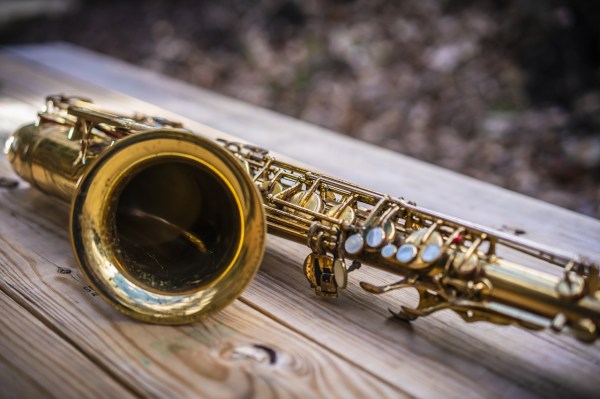
She enjoys the solitary walk, the warmness of the evening on her bare limbs, the hum of the busy streets, the smell of food and cigarettes emanating from the nearby cafes. Somewhere, someone is playing the saxophone, and long, weepy notes float in the balmy air.

Moments later she rings Fran’s doorbell. Music and specks of conversation seep through the door, followed by an uneven clattering of high heels. Fran greets her warmly, her clammy arms around her, before abandoning her in the middle of the lounge to welcome more guests.

A couple of girls stand by the buffet and she smiles at them, but they only stare, long enough to make her uncomfortable, before going back to their conversation.

She pretends an exaggerated interest in the CD collection, looking at each one of them for far too long, drinks a soda, bubbles too quickly chugged stinging her throat, and eventually sits on the edge of the sofa, clutching a plate of untouched sandwiches. On the wall clock, only five minutes have gone.

Just as she decides to go, the tall guy comes and sits next to her. “I’m Lily’s brother”. Ensure of who Lily might be, she just nods.

Soon they are talking and laughing, and the seconds on the clock rush around. Someone dims the light and changes the music and they start dancing, barely moving to the rhythm of an unknown song. The two girls stare at her again, but this time she doesn’t mind.

He’s holding her tight against him, and she likes this long, musical hug. She’ll have to ask Fran what this song is.

His face comes closer to hers there are small flecks of green around his dilated pupils. She hasn’t kissed very much before. She’s learned the technicality of it with her childhood friend a couple of years ago, the unromantic experience providing much giggly. And her boating buddy kissed her on the last day of the holiday, his sea-salt lips on hers leaving her feeling tingly, trying to put a name on the warm, bouncy feeling in her stomach.

“Come”. He takes her hand and leads her to Fran’s room, closes the door and kisses her again, his tongue insistent. His moist hands move slowly down her back, pressing her against him.

They are underneath her shirt now, unclasping her bra. His fingers press too hard on her breast before making their way up her dress. And there is a growing bulge in his trousers. The bulge rubs on her. Up. Down. Up. Down. Rub. Rub. Small grunts come from him while she stands there, not knowing what to do.

So she just keeps kissing.

She doesn’t know what this feeling rising inside her is. It’s not the tingly warmth from the summer. It’s more like a heavy, crushing sensation. Maybe that’s normal?

She doesn’t know, so she just keeps on kissing.

Her name is suddenly shouted in the corridor prompting him to jump back. He pulls a strand of her hair behind her ear, gives her a smile and a wink as she battles her bra clasp. She shyly smiles back, trying not to look at those hands, now rearranging his trousers.

She and Dad silently walk back. The saxophonist has stopped playing and the cafes are clearing tables.


The Cabinet Of Heed Issue 29 Contents Link

Image via Pixabay

What’s Left Behind – Traci Mullins

Everything is too neat.

Boxes taped shut and stacked into corners, clearly marked so the movers will know which box goes to which house. God forbid that one of us will end up with something that might remind us of the other.

Even the garage is swept clean. Only a half-full trash bag dangles from a nail. He must have forgotten to toss it. More likely, he left it on purpose, like an accusation: “Thanks to you, rubbish is all we have left.”

He’s the one who prefers booze over me, so why am I left holding the bag?

I drop it into the back seat of the car, go in to recheck each room one last time. Throw up in the bathroom. Am tempted not to flush.

It’s taken ten years to come to this. Ten years of begging, cajoling, shaming, screaming, threatening, lecturing—my voice becoming like the adults’ in the Peanuts cartoon: wa wa wa waa. But I couldn’t shut the fuck up. Didn’t get it—that words are no match for a fight with an addict. I should know; I’m as addicted to him as he is to scotch.

In the den now. I can picture him stacking wood in the fireplace on a Saturday night, sweet smear of old soot across his nose. He can turn our favorite room into a cozy patch of heaven, and every time, I think the same fool thing. How can he want anything more? He lasts an hour before his nightly rendezvous with a better lover. I let the fire die.

In the kitchen now. Blueberry pancakes sizzling cheerfully on a Sunday morning. Today will be a good day, you’ll see. But when ‘60 Minutes’ tick-tocks, he’s been out for two hours, a string of drool pooling onto the leather sofa. I pull a blanket up over his face. He might as well be a corpse.

In the bedroom now. I find him unresponsive on a Monday afternoon. Call the ambulance. This will be the day, you’ll see. There’s no deeper bottom. He’s drunk by noon on Thursday.

That’s when I tell him: “This is it. I mean it this time.”

He snorts. Tosses back another shot. “Don’t let the door hit you on your way out.”

Front porch now. Pulling the door shut for the last time. It doesn’t hit me. You’d think there’s a point in there somewhere. It’s lost on me.  


Traci Mullins, a non-fiction book editor by day,discoveredflash fiction in 2017, and it’s been a love affair ever since. Her stories have been published in three anthologies, Panoply, Spelk, Fictive Dream, Flash Fiction Magazine, Flash Boulevard, Blink-Ink, Dime Show Review, Ellipsis Zine, Cabinet of Heed, Fantasia Divinity, and many others. She was named a Highly Recommended Writer in the London Independent Story Prize competition.

The Cabinet Of Heed Issue 29 Contents Link

Image via Pixabay

Self Help, Self Harm – Rickey Rivers Jr

I saw him again today, outside in the yard, his head down, looking at the ground as if staring through it, staring at the devil from the Earth above. Who was he? He was me, a younger me, a childhood reflection.

I approached him today. The closer I got to him the more he seemed to fade away and almost completely vanish. It was as if we couldn’t fully be in the same place at the same time. At least not occupy the same physical space in terms of proximity. Think magnets, except one magnet would vanish if too close to the other, the friction visual rather than physical. Realizing this I kept my distance.

I stood several feet away and asked myself what was wrong. The kid me, as in he, looked up at me and said that he had skipped school. I asked him why. Kid me said he was being bullied. I asked by who but I already knew the name he’d say: Billy Borges. Hearing my childhood self say that name made my fist bawl up in thinking of all the times Billy Borges had tormented me.

I told myself that someone needs to do something about that. Kid me said that he told the teachers and his parents but none of them did anything about it. He said the other kids didn’t do anything either. They just laughed. I remembered that. I told kid me to stand up to Billy Borges. “Don’t let him push you around.” I told him to do something back to him. I told him it’s okay to defend yourself.

My kid self said he was scared. I know that feeling. Going to school, wanting to be left alone, wanting to get the day over with because you were forced to be there in the first place, being interested in learning but being unable to do so because some kid had to be there to stop you, to torture you, to be that speed bump in the road guaranteed to misalign you. Funnily enough he never did seem to skip school either. He was always there when I was, specifically there for me, to torment, to tease, and to make life that much worse.

I told myself to wait there. Then I went inside and into the kitchen. The whole time I thought about the pushing and the kicking and the spitting and the slaps to the back of the head. I thought about the name calling. I swear I could hear his voice again. I heard him tease me in that same snake voice, slithering insults, calling me those same names with that same lisp. Hate began to swirl inside.

I left the house with the device in hand. I couldn’t approach fully so I laid it on the grass, took steps back and then asked myself to pick it up. Wisely he asked what it was and I told him. The little black thing with the chrome siding was a tool, originally designed to burn and melt down materials. I told him to take it and point it at Billy Borges. Point it right at his face. Press the little button on the side and then watch him melt. Predictably, the eyes of my kid self lit up. He took the weapon and slid it into his pocket. Next he thanked me and walked off my yard. Then he was gone, faded away, I would have missed it if I blinked.

*      *      *

I heard sirens yesterday. A man came to pick me up. An obvious mistake, I thought so at least, because surely he didn’t mean to take me in. I didn’t do anything. I told him I didn’t know anything. The man said “your fingerprints were all over the weapon.” Well of course, I put the thing together. Then the man said something about mass murder and I thought to myself: geez, how many people did you melt? I assumed the laughing kids and the teachers, deserved though unnecessary. I guess even smart kids do dumb things.

Besides the bullying I wondered what prompted kid me to be at my home in the first place. And what was his mode of transport? My questions were not answered instead more were raised soon enough by the arrival of another me. This one outside my cell, this one looked to be me fresh out of high school. This me scolded me, then after, simply slid the device to me through the cell bars and left as quickly as he appeared. I took the device and melted enough bars so that I might escape, and I did escape.

My other self had already melted the security cameras and taken care of the guards. Good thinking me. I left my holding place and headed home. Upon arrival I noticed that my front door was open. Had I left it ajar? I entered my home slowly and checked around. Good thing it was dark already. Might I be able to surprise myself? I did. Upon reaching the kitchen the lights flicked on. An ambush, had they already known of my escape? No, an old man sat in a wheelchair before me. Something was in his hand. He and I shared faces. I thought fast and pointed the device at him. He laughed. I pressed the button. He laughed harder.

I said my thoughts aloud. “Why doesn’t it work?”

The old man simply said “Prototype.”

But that couldn’t be true. I looked down at the device. Sure enough, it was true. I hadn’t noticed. I’d been so desperate to escape that I hadn’t noticed the differences in design. It had been so long since I had used the prototype. It had a much weaker charge.

Old man me had stopped laughing now. He pointed what he had at me, the real thing. How did he get it? I didn’t ask. I only watched.

“Let me now rest in peace,” he said. Then I felt so warm all over.


Rickey Rivers Jr was born and raised in Alabama. He is a writer and cancer survivor. He has been previously published with Fabula Argentea, Cabinet of Heed, Back Patio Press, (among other publications). https://storiesyoumightlike.wordpress.com/

Image via Pixabay

Parallel Lines – Tina M Edwards

I was a child of the ‘70’s. Growing up amongst bell bottoms and foot long collars, brown and orange wallpaper. It was a time of political change, and one very hot summer. Fleetwood Mac was on the record player and Stevie Nicks was pinned on the inside door of the garden shed.

On the days that dad went to see a man about a dog, I was allowed inside the warm small space. ‘To keep an eye on things,’ Dad said. Make sure Mum didn’t ‘tidy’ the place. When he eventually returned, stumbling and slurring words, we sat in a haze of Woodbine that mingled with the smell of fresh creosote. We were happy then. Me, Dad and Stevie, until mum started banging on about how she always did everything around the house while we had a life of Riley. Whoever he was, he must have been one lucky bugger, because I thought it was us who were the lucky ones.

Then one day Mum decided to get a job, as a Tupperware lady, and almost overnight everything changed. The fridge was full of plastic containers stuffed with carrot sticks and there was no dinner on the table when Dad got home from work. That was when the rumours started, from number 28, that Mum was carrying on with another man. Someone high up in Tupperware. So when she upped and left, one Sunday evening, dragging an oversized brown suitcase down the back lane, I guessed it must have something to do with the Riley bloke.

By the time she came back, six months later, the fridge was full of Vesta curries and Dad had finally brought the dog home. A deaf black and white mongrel with a dodgy back leg who we named Debbie. The shed had been dismantled one night when the coal bunker was empty and Stevie Nicks had been stripped and used to pick up Debbies shit. Dad was growing side burns and ironing his own shirts, and on the record player was Blondie. And all dad said to mum when she walked through the front door was; Pamela, things are going to be different around here now.

The next morning I opened the fridge and found a lone Tupperware container on the top shelf next to the cheese. A piece of paper had been stuck to the lid and read; ‘This is a reminder to never leave things for too long or else they will go off.’

It stayed there for a while until I saw dad remove it after breakfast one morning and replace it with a Vesta curry. He winked at me and I nodded as if I knew. Knew what the hell was happening in the cold space that no one talked about. His secret was safe with me. I’d not let on I’d seen the woman down the road from number 28 shopping in the corner shop, her basket full to the brim with Vesta Curries.


TINA M EDWARDS poetry and fiction has been published in the U.K. and America. She has a penchant for ducks and Cornwall and has been told since childhood she has a vivid imagination. Which is just as well, considering she loves to write. In another life she was probably a Chirologist.   www.tinamedwardswriter.wordpress.com

Cabinet Of Heed Contents Link 24

Image via Pixabay

The End of the Night – Scott Laudati

I remember some good years.
The old pilings of
the Baltimore pier
that swayed under the crowd while
we watched our favorite band.
And when I told her
I didn’t love her
for the third time
she threw their record at me
and it hurt
but we laughed
until
I decided to break her heart again.

There was the year
I ate sixty oysters
at the Aqua Grill.
She’d paid attention
when I said
I only wanted to eat oysters
from states I hadn’t been to
so she had the maître d’
bring out a special menu
and I tried them all
and the Damariscottas
and Hog Islands were the best.

I woke up in the parking lot
of a Long Island casino
one time
and when I put
two chips
on red
I won $800.
I paid for everything
that weekend
and the four of us walked home
arm in arm
puking in the snow and laughing
like it was our last night
on earth.
We don’t call every year but
I still smile when I think about
that birthday
and the best friends
I never see.

Some years
I feel like I’m losing.
And there are others where the score
seems to be even.
I’ve lost cousins
and girlfriends
and a brown dog
with a white cross on her chest.
But there were the other years.
There were friends who
didn’t leave me in their wake.
Girls who left me believing I wouldn’t
always be let down.
And my mother,
using expensive ingredients
to cook me a birthday dinner
that fit with my new diet,
always making sure something was safe
in a world that started licking its teeth
as soon as you
walked out the door.

Tomorrow doesn’t always come with a nightmare.
Seeds grow.
Leaves fall.
I tell my friends to hold up their bottles
and look around.
“Remember our tribe,” I say.
“Nothing will ever be better than this.”
And I know I’m right
because I still haven’t found a place safer
than a backyard
in New Jersey.
And no matter how long I’ve been gone
there’s always a family waiting for me
when I come home.


SCOTT LAUDATI lives in Bushwick with his shnoodle, Dolly. His work has recently appeared in The Bitter Oleander and The Columbia Journal, among others. Visit him on instagram @scottlaudati

Cabinet Of Heed Contents Link 23

Image via Pixabay

Cabinet Of Heed footer logo

Round And Round The Garden – Helen Laycock

No one ever passed Ettie Budu’s house without crossing the street first. It was an unwritten rule, a fact of our childhood. And you didn’t just pass it, you ran.

Ettie Budu’s house was a place to be feared, where malevolence resided, as heavy as a sack of ditchwater. It hung in the air and clung to the building like a ball of flies.

Get too close and who knew what would become of you? It was well known that she was a witch and that, behind that rotten brown door and those filthy windows, she concocted spells.

The house had become the personification of evil long before our lives had begun.

Everyone knew of it; there was no need to point it out. Find the worst house on the street and you had found Ettie Budu’s dwelling-place. Her hovel.

Unlike the other semis, Ettie’s had no front wall at the end of the garden. The grass grew high – an enchanted forest – and would, no doubt, shackle any child that dared to wade through. The windows, thick with grime, were as still as the eyes of the dead, but we knew we were being watched. It was impossible to see in from across the road – and no one was ever brave enough to peer in at close range. It seemed that dirty nets had been draped at the edges, but they may well have been cobwebs.

Day after day, at the end of school, groups of children would take a deliberate diversion in order to pass the house. None of us ever had permission to walk home that back way; it was a ‘lonely’ place where bad men hung out, but no one was willing to lose face and refuse the route. We’d climb a gate which took us to a narrow, grassy pathway along a little river, a ‘reen’. Gardens backed on to the side where we walked, and there was wasteland on the other. The gate we had to climb at the other end was just opposite Ettie’s.

Our status moved up a notch if we stopped and stared at it for a moment or two. It was a way of asserting bravery.

Sometimes a chant would begin: ‘Ett-ie, Ett-ie, Ett-ie.’

We’d adopt a stance: feet splayed, knees bent, hands on thighs. Quick glances would be exchanged, but we had to watch the door. Always.

It never lasted long. No one had the guts to see what would happen if she came out.

In the winter months, when grey afternoons sheathed the village in darkness, we would linger – not for long – on the opposite side of the street and watch the upstairs window as it flickered with candlelight. It was a scene far removed from our experiences of modern living; it had the intrigue and bygone age-ness of a grotesque fairytale. We knew she’d be stirring a cauldron in that upstairs room. An imagined face at the glass, hollowed by the light, would send us squealing and running.

Then, one day, I felt big and brave. Omnipotent. Adrenaline coursed through my veins, like fire bowling through a tunnel.

In an instant, I took off from the safety of the opposite pavement, leaping onto the road from the kerb and hurtling towards the unkempt lawn, seeing the house closer than I had ever seen it before – the parched windowsills, the gouged brickwork and the cracked glass of a dying building.

The ground was unexpectedly uneven beneath my feet as I ran in difficult circles through the long grass, lifting my feet high and holding my arms up for safety. I felt glorious and daring, and looked for approval as I curved around for the second time to face my awestruck onlookers.

I was a hero. I, the unnoticed one, was suddenly visible – the eye of the storm.

Then, chop. Everything changed.

Like the jerk of a reversing second hand, their gaze shifted from me one notch to their left.

As one, their smiles fell.

Their jaws dropped.

Their bodies flinched.

I heard a sound behind me.

I saw my friends run.

Should I look? Or run?

I recall the instant as if it all happened in slow-motion. As my chin passed my right shoulder, I saw a wiry, old man who had stepped out of the front door and was now feet away from me. His face was scrunched up in anger. His left arm was raised, and when I looked up at it, I saw that he was holding a cleaver. In a beat, he ran at me and I stumbled out of his garden, my legs taking great unwieldy strides.

I didn’t look back. I sprinted right to the end of the long, long road where the other children were hiding around the bend, fizzing with excitement and terror.

‘That was Ettie’s brother. The madman,’ I heard someone say. My heart was beating like a caught bird, and my chest prickled and burned as I panted.

‘A brother?’

This was news to everyone. There were two of them living there?

Double evil.

Our whispers filled the evening air like frenzied bats before we dispersed to the light and safety of our own homes, each a little more afraid than we had been up until that day.

The challenge had taken on a whole new dimension. The danger was real. We had been right to fear the sinister embodiments of depravity which dwelled inside that house.

I avoided any route that would take me past Ettie Budu’s after that. Maybe she didn’t exist at all, and it was just a vicious old man who lived there.

I wasn’t convinced.

At the age of fourteen, I took a Saturday job at the local supermarket, weighing out the fruit and veg for customers and pricing the brown paper bags. I was positioned right at the entrance.

Even though the incident had been years before, my breath caught like a wedged pebble when a hunched figure shuffled in just as we were closing, late afternoon, one dark November.

It was Ettie.

I experienced a cold thrill. I wanted my friends to see how close she was.

The stench was putrid. She was wearing a headscarf and a huge overcoat, and was dragging a battered trolley. She bypassed me and went straight to the tins just next to my fresh produce.

I could see her filthy face, whiskered and warty, the very image we’d concocted when we were ten. Her mouth hung open as she rasped and wheezed; I imagined beetles and spiders being exhaled with each whispering breath. She had only a few black teeth.

I shuddered. Even now I was a teenager, she still had the power to unnerve me. I dreaded a direct look from her; her eyes would turn red and she would throw a curse upon me as though netting a fish.

She really did have witches’ hands, too. Her nails were long, thick and brown and when her sleeve rose, I could see that the skin on her arm was impregnated with dirt.

I watched her steal a few tins of peaches.

As soon as the manager had locked the main door and was switching off the lights, I grabbed my coat and left by the back entrance. It would take her a while to get home. I could catch her up.

I had no idea why I wanted to be in proximity to someone who could strike me down with black magic. Perhaps I had been charmed.

I could see her shape, rounded, no head, shuffling along ahead of me. She looked like a dark toad under the streetlights. Because of the peaches, or the brother, or the state of her house, I felt immense anger towards her. She moved steadily through the night.

I stopped trailing her within a safe distance of her house.

She still scared me.

All through the winter she came for peaches.

She never paid. I never said.

She was always dirty. She always wore a man’s coat. I began to wonder if she might have been thin underneath. What else did they eat, she and her brother? Though I must have stared, she never looked at me. Her gaze seemed fixed on her dirty boots. She was bent like a bridge.

On the last Saturday of February, Ettie didn’t come. I had moved the last few tins of peaches to the front of the shelf for her. I left through the back door as the manager flicked off all the strip lights. There was a frost on the bins and the air was sharp. I wrapped my scarf around my mouth and headed for The Hovel.

Apart from a stutter of candlelight in one upstairs window, the house was in darkness. I imagined how cold they must be without electricity. Ettie – was that even her real name? – probably kept on her coat indoors. Her brother’s cast off maybe. Or did she ever have a husband?

Over the next few evenings, I walked by again. The house seemed to have fallen into a deep sleep, every window full of night. I no longer felt watched.

Sunday morning was crisp and cold. The sky was a dirty white, and as I made my way to Ettie Budu’s, it began to snow. Frozen flakes melted on my cheeks and caught in my eyelashes, and by the time I had got there, the blades of grass were tipped with white. It was almost pretty.

I crunched across the garden, older and braver than I had been the first time. Years of neglect had made the windows opaque, so I crouched down and pushed in the letterbox.

The humming seemed to come from everywhere: an incessant drone from an orchestra where violinists bowed the same monotonous note. Every inch of space was inhabited by moving black specks.

Funeral confetti.

I was reminded of shaking a snow globe, but in negative.

Layer by layer, my senses became drunk with excess, and I covered my nose and mouth with my free hand as the putrefaction seeped out of the letterbox and into my air space. The blood smell at the supermarket meat counter always made me gag, but the intensity of rotting flesh that was now spewing out of the rectangular aperture made me reel. Desperately, I scanned the hallway, but only had a sense of dark brown through the cloud of flies, nothing more.

Catching sight of movement in my periphery, I let the letterbox go with a snap. Three maggots were pulsating across my left glove. I shook them off on to the ground and ran.

The day they took the bodies away, there was a small crowd outside.

‘The mad brother chopped off Ettie Budu’s head with his axe,’ I heard a boy report as he swung an imaginary weapon towards his friend, ‘and he survived by eating bits of her until she was all gone.’

Maybe.

But I think that their ending was far from dramatic. We had made it that way. In truth, they lived together in the only way they knew how, an older sister caring for her brother, and surviving by whatever means were at their disposal. They were poor, cold and hungry, and society had shunned them.

We were to blame.

When Ettie had gone, the peaches had stopped coming. And, without peaches, her brother had dwindled, along with the melting candles.

The house had been dying all along.


HELEN LAYCOCK, previously a lead writer at Visual Verse, features in several editions of The Best of CafeLit. Recently longlisted by Mslexia, pieces are showcased in Popshot, Poems for Grenfell, Full Moon and Foxglove, The Caterpillar, Cabinet of Heed, Reflex Fiction and Lucent Dreaming, whose inaugural flash competition she won.

Cabinet Of Heed Contents Link 23

Image via Pixabay

Sunflowers – Amanda Saint

The woman behind the counter in a snake skin patterned sari doesn’t look at Daisy as she says, ‘Thirty rupee, madam, please.’

Daisy smiles anyway as she hands the money over in exchange for a fresh coconut with a straw stuck in the top. Nothing can stop her feeling good today.

On the shop’s rickety veranda she sits and watches bony cows and mangy dogs mill about. Down the street a harassed-looking woman bundles children into a tuk-tuk. Horns beep and the air is thick with dust and exhaust fumes from the constant stream of traffic going past.

Goodness still trickles through Daisy’s veins from the cold, sweet coconut water though. She can feel it. When she’d arrived at the retreat, only days after getting out of the hospital, her skin had been a dull and dirty yellow, showing the world what she was. A coward. Running and hiding in bottles of vodka until her liver nearly died.

When she’d woken up in the hospital the first thing she’d seen was a bunch of wilting sunflowers in a chipped jug on her bedside table. She’d blinked unsure of where, and when, she was. Then he appeared, sitting on a hard, plastic chair wearing his retro 80s t-shirt with the smiley acid house face, and faded jeans. What he’d been wearing that day.

‘Hey,’ he said.

‘Hey yourself.’

He leaned forward, dropping the softest, gentlest kiss on her parched lips. ‘You’ve got to stop this now. It wasn’t your fault. Just an accident.’

Daisy sank back into sleep again. When she awoke he was gone, of course, as were the flowers. They were the ones he’d given her on their first date. The chipped blue jug the only thing she’d had to put them in. Wild young things didn’t own vases.

When she’d been released from the hospital, she booked the retreat and a flight leaving the very next day. Then she went to a florist and bought every sunflower they had and took them to his grave. She knelt in front of it, sprinkled the flowers all around. A splash of happy sunshine on a grey and gloomy day.

She ran her fingers over the inscription:

Robert James
12th August 1972 – 2nd October 2016
Beloved husband of Daisy.
Taken too soon. We were all we had.

Daisy sobbed while she smiled then kissed her fingertips, pressing them against his name. ‘Hey you. I’m going to be okay now. Thank you.’

The last slurp of the coconut water through the straw pulls Daisy back from that dank English graveyard. She takes the empty coconut back into the shop and places it on the counter.

The woman ignores her again and doesn’t look up from her phone. Daisy shrugs and carries on her way. Maybe she’ll stay here. Nothing to go back for, after all, and the insurance money would go a lot further. A nice little place by the beach where she can live a quiet, healthy life. Yoga, walking, reading, painting. No booze and lots of delicious vegetarian food. It’s what Robbie would want for her.

Daisy kicks her flip-flops off and stuffs them in her bag when she reaches the track to the beach. The warm sand caresses her feet as she climbs up and over the small dune. Later it will be too hot to walk on. At the top the beach opens out before her. Just a handful of fishermen fixing their nets. The milky sea glinting softly in the sun.

Daisy walks right to the end of the row of sunbeds. Takes the one in the front row so that no matter how busy it might get later, she can feel like it’s just her, white-hot sky, ocean, and burning yellow sun.

She lies back and stares up into the dried palm fronds of the parasol, a smile on her face. She’s turned a corner. She closes her eyes, lets the shushing sound of the tiny waves fill her mind.

She doesn’t see the snake until it’s curling around her leg.

With a breathless little scream, Daisy kicks out. The snake rears back, then strikes at her leg one, two, three times. Before slinking away into the shade it had been seeking.

Daisy’s leg swells and reddens instantly.

‘Help,’ she calls.

But the snake has stolen her newfound strength.

Nobody hears.

She grabs for her bag, her phone. But her fingers won’t work.

Then she’s still. Her breath coming in shallow gasps as the sun beats down, slowly turning her body golden again.


AMANDA SAINT is the author of two novels, As If I Were A River and Remember Tomorrow. Her short fiction collection, Flashes Of Colour, is coming in 2020. Amanda founded Retreat West, providing writing competitions, courses and retreats, and Retreat West Books indie press publishes short fiction, novels and memoirs.

Cabinet Of Heed Contents Link 23

Image via Pixabay

Growls of Fate – Katie Nickas

Sometimes when I’m alone in my apartment, the maker speaks to me. It talks about my husband.

We had a blowup last summer. I got mad and moved out. Our cat listened to it happen from the ledge, because cats hate shouting. Now, she stays with him. She’s sweet and adorable, with a face like an owl that peers from the ends of hallways and claws that dig into flesh to show affection. He has her and a good job and a nice place to live. He should be happy, but he’s not. I know this, but the maker tells me, anyway. It whispers like a surrogate conscience all the things he does to try not to be alone.

Books.

Grr.

Music.

Grrr.

Guitar.

Grrrowl.

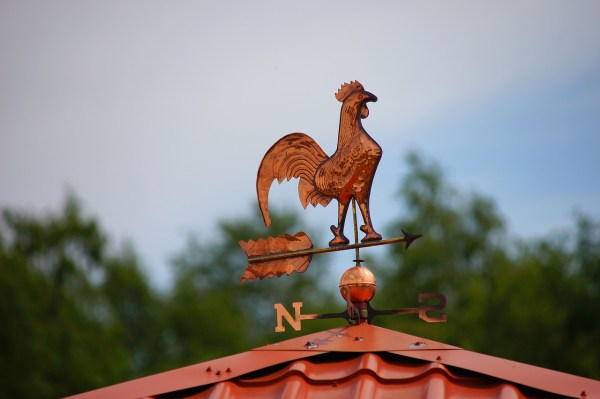
In the daytime, I go for long walks through the blue-green hills that resemble bunches of broccoli. I look at the bluebirds and marshmallow clouds and walk to the store to buy groceries. When I get home, the rooster on the weathervane is stuck pointing south, its figure suturing the fog. I carry in the groceries that I’m addicted to buying and pour water and grounds into the maker, switching it on and listening to it brew. The whispers begin almost immediately. They’re palpable in the silence.

“He wants to be alone,” I say, unloading heads of garlic, carrots, celery, cheese, crackers, thinking I’ve been transported to some other dimension.

Grr.

“He pushes people away and then asks them to come back.”

Grrr.

“He’s bad.”

Silence.

“He can’t stop.”

Grrrowl.

Though soft at first, the sounds become more plangent as the cycle runs its course. I pour a cup, lean back in the chair, and close my eyes. Images of family and friends appear. Their features are nondescript, like tiny grains of sand swept in and out of form. I imagine my neighbors sitting down to dinner all throughout the neighborhood. It’s twilight. I know what happens at twilight. Shadows rise and mists settle, holding everything in their vaporous breaths until morning.

Sometimes, the maker splutters at these times. That’s when the heaviest truths are divulged—when it’s running on steam and wants to be fed more water so it can continue talking.

I sip and think I must have really good hearing.

They’re all gone now, those closest to me. Not gone—distant. It’s only the maker and I in this thick, cloistered silence.

Suddenly, I hear the flawed person inside and panic. Its voice fills my head—the voice of someone who’s been abandoned and who’s doomed to ask questions with no answers. I’m angry—angry that my husband treats people like puppets, bending them to his whims.

“Why did he do this?”

The thought sends shudders through my collarbone and pushes up beneath my skin, wanting to be let out. A plaintive growl spreads out across the room. Except instead of making a sound, it forms a word. There’d often seemed to be an echo in here, and while the maker’s percolations have been well timed to coincide with my questions, they’ve never implied they belong to an actual being or presence—a mind. I’d fed it water, electricity, and grounds. From those ingredients, it pressed out something like a piquant juice—sometimes smoky, others intense—but always juice and no more.

Yet the word was unmistakable. I straightened in the chair, my back turned rigid.

Suicide.

“Suicide?”

Yes.

More than a growl—an affirmation, with the maker reaching into its grizzled depths to lay a finger on its pulse and measure the beats of its efficient, little heart.

“He is, or intends to?”

No answer.

“Why?”

My imagination spirals back to all the possible causes: Childhood abuse, neglect, the old tunnel with no light at the end, his loss, our loss, the growing apart, the splitting after so many years together.

“Will it be fast or slow?”

No sound.

“Fast?”

Nothing.

“Slow?”

Grrrowl.

Yes, I might have guessed that. He’d already been killing himself slowly. One moment later, another question arises.

“What can I do?”

Silence.

“Buy him a book?”

Silence.

“Dinner?”

Silence.

“Cakes? Treats? Records? Phone calls?”

My brain kicks itself. You’ve already tried all that. For god’s sake, think of something more original.

Finally, it comes.

“Maybe, somehow, I could help him live?”

I hear the longest growl of all. Not only a growl, it’s something chthonic that seems to rise from the earth and shift through night’s inchoate shroud—something that speaks for others.

Clutching the sides of my chair, neck laced in sweat, I realize it’s not the maker at all. It’s he. He’s somehow found his way inside and is channeling himself through it.

The notion seems to lift some of the fog. To hear from another source that his life is truly out of control offers closure. But I’m just as unnerved as before, wondering what can be done to help someone live a life whose intent is on ending it, however gradually.

Rising from the chair, I walk to the kitchen and look at the maker sitting on the counter, its contents settled in the bottom. I could give it more water to listen to it talk some more. I could do that.

Instead, I pick up the phone and call him.


KATIE NICKAS writes off-kilter fiction. Her work is published or forthcoming in journals including Anti-Heroin Chic, Asymmetry, The Furious Gazelle, formercactus, FRiGG Magazine, The Oddville Press, Sidereal Magazine, Soft Cartel, and STORGY. Find her on Twitter @katienickas.

Cabinet Of Heed Contents Link 23

Image via Pixabay

Tornado Preparedness Drill – Ace Boggess

If the power’s still on, make coffee.
If you prefer whiskey, sleep
on a futon by the nearest phone.

I have better ways to spend my time:
complaining about loud noises &
worrying over this coming storm

which brings with it fish &
frogs that fall from the sky.
In the past hundred years:

one tornado in this county,
that so small the horror-movie
flying cows ho-hummed.

Nobody asked for my opinion,
but I give it while the city sirens
hit their spine-chilling notes &

radio stations sing,
“Get down, get down,”
as if a disco boogie jam.


ACE BOGGESS is author of four books of poetry, most recently I Have Lost the Art of Dreaming It So (Unsolicited Press, 2018) and Ultra Deep Field (Brick Road, 2017). His writing appears in Notre Dame Review, Rhino, North Dakota Quarterly, Rattle, and many other journals. He received a fellowship from the West Virginia Commission on the Arts and spent five years in a West Virginia prison. He lives in Charleston, West Virginia.

Cabinet Of Heed Contents Link 23

Image via Pixabay

Last Will and Testament of Gaia – Sheila Scott

I, Gaia, third planet of the Local Interstellar Cloud, Orion-Cygnus arm, Milky Way, declare this to be my Last Will and Testament, hereby revoking any and all Wills and codicils previously made.

At four point five six eight billion years of age I am of legal age to declare this Will and, despite the best efforts of some of my lodgers these last fifty thousand years, I am still of sound mind. My wishes contained herein do not result from undue influence.

Having experienced no major collisions, I have remained single and without children excepting one satellite. However, this sole relation has remained distant throughout and I leave them nothing.

Whilst I realise, but do not care, that this may cause some consternation, I hereby nominate, constitute and appoint God and Richard Dawkins as my Joint Executors to act in my interest regarding my estate and other items. In the event that these Executors be unable or unwilling to serve jointly, I appoint Rihanna as sole Executor. This Will authorises these Executors to act in my interest regarding my estate, debts, funeral expenses (see accompanying document ‘Par-tay’) and other items.

The assets I am legally entitled, by which I mean, I have decided to bequeath are as follows:

1) The Atmosphere I give to the Penguins. This one is too important to everyone and honestly who doesn’t trust these little dudes. Plus the flightless element has always tickled me.

2) Whales and Cetaceans, you get the Oceans. You know your ass is too big for firths and rivers so just stay the hell out of them – you’ve got plenty of ocean to swim around in now.

3) The Freshwater Lakes I give to the Crocodiles. You always acted like you owned them: now you do.

4) Fish, you can have the Rivers. I know how much you love those currents whether you’re surfing to the sea or battling upstream (physics kinda passed you by, didn’t it?) so enjoy, they’re yours whichever direction you’re travelling.

5) The Hills I bequeath to the Horses. Hell, you just look so damn good galloping over their rolling horizons. Off you go and make me proud.

6) Mountains I am giving to the Goats. You’ve not done a damn thing to earn them, but it takes a bit of nous to understand gravity and frankly you guys are the only ones just too dumb to fall off.

7) The complete collection of Soils is to be the domain of the Invertebrates. We all know you have your job to do but, let’s be honest, you’re no fun to look at. So, do everyone a favour and stay indoors.

8) Plants, you are entrusted with the Valleys. Some of you like sunshine, some don’t. I have faith you can sort who gets which face between you. But no secession: there’s room for everyone.

9) The Volcanoes are made for Dragons, if only to prove you exist beyond Welsh kids’ cartoons. Be careful making s’mores, though – those things are sticky little fuckers and can totally ruin a good rug.

10) Cats, you get the Tectonic Plates. Plan is that way most of the time they’ll just sit at peace. But when you’re not sleeping, no batting them back and forth just for fun.

11) The Tundra I was going to leave to the Reindeer, but the melt’s made it a challenge for you big boys getting about now. Therefore, given the more favourable feet-width to body-weight ratio, Geese, it’s your ball now. Reindeer, you know who to take it up with.

12) Bit of a no-brainer now – Camels, you get the Deserts. It may not be the most exciting asset, but it’s far and away the fastest growing – you’re on course to be Kings of the World. But play nice and enough with the spitting.

13) Wide open Plains are for the Skunks. The others have been pestering me for years over this, so use your space thoughtfully.

14) Regarding the Polar Ice Caps, Penguins you got the atmosphere so the Southern one is going to the Polar Bears. Big guys, you would’ve got the Northern one too, but you do like you ice-Lilos and it’s just sea up there now.

15) Finally, all my Glittery Rocks I leave to the Humans. You’ve always been obsessed with these at the expense of everything of value, so good luck eating, drinking, and breathing your bling.

Despite claims that will undoubtedly be made to the contrary (by I think we all know who), there are no prior legal contracts into which I have entered in relation to these assets. Anything that suggests otherwise is a crock of shit.


Signature: Gaia

Name: ____Gaia_______

Date: 21st October 2018


Hybrid writer-scientist, SHEILA SCOTT most enjoys sitting with pen and paper turning idle thoughts into short narratives and illustrative doodles. Published in Causeway, Cabinet of Heed, Ellipsis Zine, Flashback Fiction, Bangor Literary Journal and Poetic Republic, she also helps lead New Writing Showcase Glasgow. Her intermittently hyperactive Twitter account is @MAHenry20

Cabinet Of Heed Contents Link 23

Image via Pixabay

Bed 3, Bay 2 – B F Jones

Day 1

They wheel me into the room after the surgery though I tell them it is unnecessary, I can walk. But there’s been a considerable blood loss and they’re concerned I might faint again. A stupid accident really. Avocado hand. Yes that’s right, I’m hospitalised for a pretty trendy affliction. I wish I could say 13-year-old me that I’m finally trendy. I wonder what that loser would think.

Anyway. After the knife blade lodged itself deep inside the fleshiest part of my palm, tearing through the skin before cutting through a small artery and quite a bit of ligament, I managed to call 999 between two bouts of wrenching and a mild fainting episode. I opened the front door wide, mucking it with blood before crouching against it, trying not to look at the little bids of fat oozing out of my skin and this is where the paramedics had plucked me from.

Day 2

The pain wakes me early. The monitor attached to the lady next to me and going off everytime she gasps for oxygen doesn’t conduce me to fall back to sleep. Neither does the Christmas tree blinking just outside the ward. I re-live the previous day. The blade going in and the cracking sound of the skin as it tears. You should have kept the knife in, they told me in the ambulance. It would have helped reducing the blood loss and damage to my ligaments. No need to mourn those, the damage is done now. At least I can breathe unmonitored.

Day 3

Janet from the office has popped over to say hi. She’s brought me a card signed by the team and an adult colouring book. I look at my heavily bandaged hand and thank her. She doesn’t stay too long. The day stretches. I wish I’d brought a book and my toothbrush. The doctor comes and says I should be able to get out tomorrow. The nurse changes my dressing.

I take an approximate shower and have an average dinner. The old lady bips and there’s a new arrival, a teenager with a broken leg.

Day 4

The teenager has loads of friends, they bring him coke and Haribos and some magazines. His girlfriend gives him noisy snogs and access to her chest that he fumbles clumsily before they leave, the stench of sweat and Lynx and chocolate bars remaining until the leek-potato soup is served. The doctor comes and says I can go out tomorrow. The nurse changes my dressing. The old lady bips and the teenager types furiously on his phone. I miss my home and my bed and my tub and Socks purring on my lap.

Day 5

The Xmas tree blinks to the rhythm of Staying Alive. That same rhythm you use when you do CPR. Blink, blink, blink, blink, blink blink blink, blink blink blink. And again. And again.

The teenager has left and has been replaced by a 3rd degree burn.

The doctor comes and says I can go out tomorrow. The nurse changes my dressing. The old lady bips and the burn victim weeps. I read a battered copy of Gone with the wind wondering if touching it might give me an acute case of e.coli. This is unbearable.

Day 9

I don’t think I can take this anymore. I just spent the last 3 days plotting my escape as I’m desperate to go home.

Janet has come back saying that she feels for me, and also implying they might want to replace me if I don’t come back though, and reminding me I owe her £3.99 for the cat food.

I tell her I’ve just seen the doctor and that he’s said I should be able to leave tomorrow. The nurse changes my dressing. The old lady isn’t there anymore and the burn victim has just left, being replace by a pretty nasty case of anaphylaxis.

Day 10

I didn’t sleep well. A young couple came with a baby around 2 am. I was hoping to see their baby this morning, I love babies, but when I woke up, they were gone.

Janet pops over with some paperwork for me to sign, I’ve been dismissed. She asks if she can return the colouring book since I haven’t used it yet and she could repurpose the £4.99. She doesn’t stay long but that’s fine by me.

Day 13

I was meant to leave today but I told the doctor I didn’t feel too good and tomorrow might be better. It’s quiet as the old lady’s bed is still vacant and the anaphylaxis guy is pretty out of it.

Day 14

I told the nurse it might better if I stayed overnight as it it’s icy and I’m worried driving with my injured hand in such conditions. Also it’s potato leek soup night.

Day 15

I had a panic attack after watching the news and not being able to remember the prime minister’s name. There was that lady looking like a praying mantis addressing the nation, she was familiar but her name had disappeared from my memory.

They gave me Xanax and I had a good night’s sleep. I’m still a bit woozy so it’s safer for me to spend the night and leave tomorrow.

Day 17

Terry, my favourite nurse, has written the name of the prime minister on a post-it note for me. I use as a bookmark for the copy of Catcher In The Rye she’s brought me. Apparently I’ve read 14 books since my arrival. I don’t remember much of them.

Day 18

Terry has come for a quiet chat about my mental health and to say goodbye as I’m being moved to a different unit. I give her a hug and tell her I’ll miss her, before I erase her from my memory.

Bed 6, Bay 1

Day 74

I like it here. Apart from that young woman that occasionally rambles on a about rats and cats and talks to an invisible person called Libby, it really is very cosy. Doctor C says I can stay as long as I want.


Cabinet Of Heed Contents Link 23

Image via Pixabay

Trainwreck – Alexa Locksley

First time in Denver, a highrise hotel
Smooth sweep of the sliding door whispers class traitor
recessed lights nod in agreement
My companion’s asleep—
exhausted by the mesas of Utah
the hazy opulence of Vale
or maybe my sullen silence
Tiptoe through the lobby of the Grand Hyatt
dress too short
hair too disheveled
flannel too flannel
too many toos for this place
and a copy of Burroughs tucked under my arm
catches the camera eyes of the elevator woman
fluorescent glare from her black plastic shells
insect eyes bulge from her face
She adjusts her orange hibiscus print dress
smiles a false robot smile
and telepathically opens the doors.

Cross the stone corridor
step out into the steaming gray morning, stand under wet humid sky
my antennae drooping, two wilted celery stalks
Take refuge among leather and lamplight
Crack open gold coins, melting yellow streaks
Cell walls expand, jelly replenished
synapses of cellulose stronger with intake:
poison word hoard and rich burn of espresso
wine & sour oil
faint hints of charcoal at the back of the tongue
an imagined memory of withered grass, oolong reduced to ash
false dairy, shelf stable and sanitized
in another world, twin apricot suns below ground
in the lindworm’s tunnel under Munich streets

Shake off the memory
shake out my powdery wings
dodge the streetcars and blend in with gray concrete
Disguise myself as a steamed salmon
lemon slice to keep up with the fashion
and join in the stream

A fresh bucket of deep-sea dread from a long-past meet&greet
(too serious and literary for the ampersand)
Warst du schon mal in Wien?
that deceptively innocent questionmark a tiny tadpole sprouting tentacles
transforms
octopus whirlpool spirals down to the depths
until your friends fish you out
reel you in
admonish in hushed strained voices because Jesus Al you can’t say that
and the sting of the fishhook still slices into your cheek

But now in the diegetic present
face to face
you’re one of us, I’m almost sure
our panicked transaction of phrases a mutual trainwreck
jumbled words casualties that limp from the wreckage
and for a moment I belong.


ALEXA LOCKSEY is an escaped Midwesterner living in Las Vegas, where they teach English. Their poetry and short fiction has appeared in Ghost City Review, Peach Mag, Shot Glass Journal, Rose Quartz Magazine, and Bone & Ink Literary Magazine. They are on Twitter and Instagram @AlexaLocksley.

Cabinet Of Heed Contents Link 23

Image via Pixabay

Thirty-Two Keys Stud the Body of Each Sax, So It Logically Follows That.. – Jim Meirose

I got a tape for you to hear Sonboy. I got a tape you’ll hear to make you decide.

Mom. That’s great but I don’t need help—I—

Yes here sit down it’s short hear it out here.

Her finger jabbed in starting it coming. It came. It said, The last but not least dimension of anyone’s ascension to virtuoso-level sax playing, is the patterned pushing so fast it seems random but each push has a purpose a name and a meaning and more and more to it, depending on how deeply into the documentation you dare to delve—

Mom. I don’t see. I—

No, listen.

—thirty-two keys stud the body of each sax; nine fingers are used to press the sax keys, and that in itself is easy to conceptualize. Here’s a finger, the first of ten. There’s the keys baby, so press one any one; there’s the cards baby, so pick one anyone; look at it remember what key it was—

Mom I can’t follow this. And—I never said I wanted saxophone.

Hush! Listen.

But I never—

Hush.

—tear the card from the sax put it on the table and remember which key it was; look at it remember what card it was put it face down on the table and remember which card it was; do this for each and every key until none are left and there are thirty-two torn off keys from the now-unusable sax lying on the table—

Sorry but I don’t get it.

Maybe if you stopped resisting you would. Hush.

—do this for each and every card until none are left and there are fifty two picked-out cards from the now-nonexistent deck not anywhere anyplace anymore; now take the sax to a sax repair man and he will charge five hundred dollars on average to restore the sax to playing condition; now take the deck to anyone at all who knows what a deck of cards is—

Cards. Mom, I never have been interested in—cards.

Sonboy shut up and let it come.

—and he will charge nothing on average to pull all fifty two cards back together into a usable deck; now here’s the bottom-line cost-benefit analysis—it’s not really that but that sounds pretty impressive; this has cost the sax player five hundred dollars; this has cost the card player nothing. And the added benefit tipping the argument to cards is that the card deck can be restored by the potential card player themselves.

Thank God is that the end—This shows—my God there’s more? Mom.

—that in the final analysis, any logically impassive mechano-person to whom such numerical decision-making holds appeal, should forget sax—

Mom I never said I wanted to play the saxophone Mom. Mom—

Shut up!

—and take up one or more of the hundreds of table games which are based on a deck of cards, or take up some other non-game related pastime that nonetheless uses a deck of cards, such as magic, making bicycles sound like motorcycles—which also requires a big box of wooden spring-style clothespins, building houses of cards, constructing card bridges, making balls of cards, doing origami, making card boxes, or attempt to match the cardistry skills of Dan and Dave. Their most holy. Good-bye—and may you enjoy a profitable day!

Her finger jabbed out stopping it going. She turned to.

Sonboy, there—you.

Sonboy, hey! Sonboy get back in here right now!

www.jimmeirose.com

Cabinet Of Heed Contents Link 23

Image via Pixabay


Create a website or blog at WordPress.com

Up ↑