Chickpeas – Qurat

My mother once told me
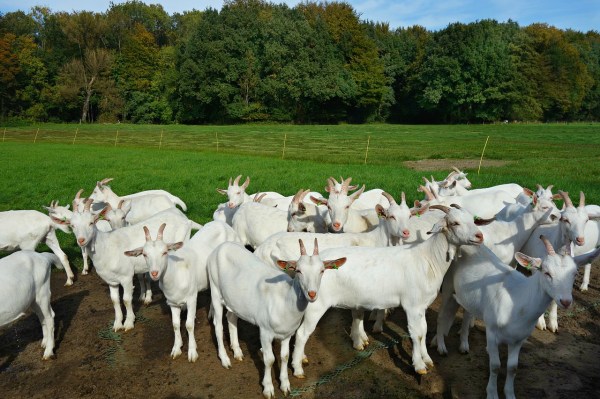
that goats have to be fed carefully –
that all too often, upon finding a bucket of chickpeas,
whether dried or swollen with water
to twice their size, bloated,
they gorge themselves, eating senselessly,
until their insides burst.
Not for lack of intelligence –
maybe the opposite,
barely chewing their chickpeas
before gulping them down, even though they
scratch against their throats on the way
down,
barely breathing in between mouthfuls
anything for something,
even if it hurts –
I’ve gotten too good at the dark
too used to my serrated silences,
uninterrupted by the stream of rotating images
and sounds, which I can hardly piece together
before they’re gone (not that I would),
the chickpeas are burnt, it’s all smoke, everyone’s
killing themselves slowly (it’s the only fashionable way)
and wondering why they aren’t dead yet
and wondering why they aren’t alive
and wondering if everyone else is
wondering the same thing.
I can’t seem to get myself
to burn.


Qurat is an engineering student, an avid environmentalist, and an emerging author. She has work forthcoming or currently in The Evansville Review, Augur Magazine, Tenth Street Miscellany, The Temz Review, Rag Queen Periodical, Yellow Taxi Press, and KROS Magazine. Find her on Twitter: @DQur4t.

Contents Drawer Issue 14

Image via Pixabay

Keeping Up With The Joneses – Alva Holland

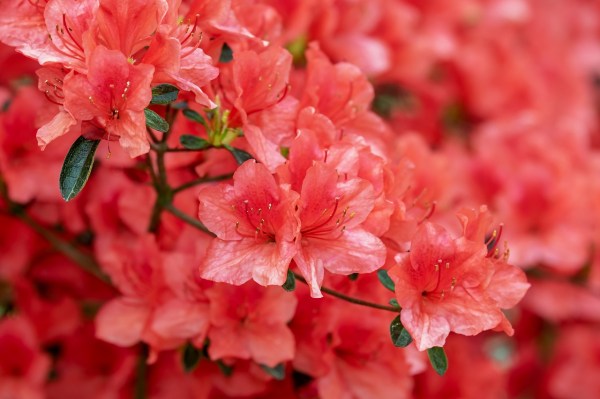
Banks of scarlet azaleas and cerise rhododendrons mark the driveway to the double garage of No. 7 Maple Way. Mr. Powers nurtured the shrubs from cuttings and is proud of the privacy his colourful hedges provide for his double-fronted detached residence.

Next door at No. 5, single-garage Mrs. Johnson thinks her hybrid fuchsia and cotoneaster are far superior to her neighbour’s efforts in terms of display and colour. She covets her secret source of quality fertilizer which she refuses to share with No. 7 in case his display should surpass hers in terms of admirability as people pass.

No. 3’s triple-garage, vintage car owner, Mr. Bailey doesn’t like flowers but has a lawn fit for a Queen. Mrs. Johnson watches him vacuuming the leaves, almost reverently, each Saturday morning. She secretly envies his gleaming edge-cutters – a thing of shining beauty, glimmering in the summer sun as he creates the perfect right angle to his precious carpet where it meets the driveway leading to the polished doors containing his venerable collection.

No. 1’s granny-flat-instead-of-a-garage Mrs. Jameson is a container gardener, with terracotta pots full of brightly coloured bedding plants spilling over onto lustrous grey pebbles and glorious hanging baskets adorning the fascia board. Young widow Mrs. J and her elderly mother tend the baskets and pots in a prayer-like fashion.

Maple House sits at the end of the road. The house doesn’t have a number because it used to be the only house in the area before the wealthy owners died leaving it to a good-for-nothing son who wasted his inheritance. The estate ended up being sold to a hungry developer who converted the sweeping driveway to a wide two-lane road, split the estate into lots and sold them off to the Powers, Johnsons, Baileys, Jamesons and their like.

The competitive street befits the Jones family who’ve recently taken possession of Maple House. A sweeping renovation has commenced. The neighbours will spend the next year striving to keep up.

Winter arrives.

The Neighbourhood Watch man patrols.

A heavy snowfall blankets the estate in anonymity.

Every house now looks the same.


Alva Holland is an Irish writer from Dublin. First published by Ireland’s Own Winning Writers Annual 2015. Three times a winner of Ad Hoc Fiction’s flash competition, her stories feature in The People’s Friend, Ellipsis Zine, Train Lit Mag, Stories for Homes, Brilliant Flash Fiction, The Cabinet of Heed and Jellyfish Review.
Twitter: @Alva1206

Contents Drawer Issue 14

Image via Pixabay

Worm Season – Traci Mullins

I’ve hated worms since I was seven, when Billy Gentry hid one in my unsuspecting sneaker and I threw up. The riskiest worm season was during the spring rains, when they’d creep out in droves from wherever they lived and slime their way across the sidewalks. They were repulsive, plump from yeasty new soil, and wiggly, like they had a new lease on life. I coped with them by pretending I was a frog, keeping my eyes on the pavement and playing worm hopscotch. Only once did one get the better of me, squishing underneath my new pink Mary Janes and setting off a fit of ew, ew, ew, ew! I heard the neighbor guy snicker and gave him a killer scowl.

I still hate worms. You’d think I could spot one from 100 yards, but no. When Alex crept into the hollow place my absent father left inside me, I didn’t even notice. He lured me with his bedroom eyes and seduced me into forgetfulness. I thought I’d learned my lesson from the chain of fools who’d come before him, but no. Alex scrubbed my memory with soapy charm and slithered in unnoticed, like a worm vanishing into the grass.

The first time he punched me, he looked stunned. He said it was the first time he’d hit a woman. I should have demanded proof, but no, I took his word for it. He was on his best behavior for months before he struck again, this time by hurling a saucer-shaped iron weight at the bridge of my nose. He stumbled toward me, crying, begging my forgiveness. I screamed at him to not lay a finger on me and drove myself to the hospital, my blood gushing like worm guts. The x-ray revealed the chips of bone, but not the daddy-shaped hole I let Alex crawl back into one last time.

The next time he detonated, I was ready. The knife sliced through his center and I cut him in half. I spit him out and vowed to be done with worms, finally plump within myself.


Traci Mullins writes short fiction and has been published in Flash Fiction Magazine, Dime Show Review, Spelk, Ellipsis Zine, Palm-Sized Press, Fantasia Divinity, CafeLit, CommuterLit, and others. She was named a Highly Recommended Writer in the London Independent Story Prize competition.

Contents Drawer Issue 14

Image via Pixabay

Meet In The Middle – Chloe Smith

The dew from our coffee cups
Soaks into the oak, a temporary tattoo –
We were here, it says, as the remnants dry
And you lift it to your quivering lips.

I nudge mine, just slightly, with my thumb,
The way you used to tap me, gently,
To bring me out of a restless sleep.

It was always a relief, to have you there –
Now you just leave me be, let me wake up, moist with a cool sweat,
With those nightmares staining the fringes of my mind as I reach out into the empty space –

You haven’t touched me in months.

You eye it, the steaming mug,
A smoke signal, communicating,
More than we’ve done in a while –

I don’t know what the white wisps are trying to say, as they rise, weakly –
But it doesn’t seem like enough.

I pick it up, and notice a pattern in front of us –

A light Venn Diagram, etched almost artfully,
The ghost of our drinks, our last-ditch meeting –

On one side, you, and your soft hand, your fingers almost skirting the outside line,
But still hanging on. Just by a hair, by a nail.

And on the other, me, not even a part of it –

I steady myself
And then let a contender enter the ring

My slight hand, shaking slightly, just edging into the middle
The ring gleaming in the light –

You keep watching me.
I don’t know what you’re thinking,
Maybe of that piece of advice we got given on our wedding day –
I don’t think we were really listening…

Your finger twitches, almost beckons me,
But I was. I laughed it off, at the time.
How would that work?

My bliss was a firework –
Bright and joyous, but not everlasting.
The smoke always lingers, finds you eventually.

We just need to cough it out,
Let it leave our tired lungs…

But now –
Now you need to –

And you do.

In a quick swift movement,
Your hand reaches out, slots into mine,
Like it’s meant to –

Out rings shine together, the sky lighting up
With stars instead.

But in that quick swift movement,
Your elbow
You were always clumsy –

Knocks into our cups, which we’d hurriedly placed down,
Our hands too busy with other things,

And they fall, each in turn, like dominoes,
Like chips –

They paint the faded table a glistening brown,
Rewriting our game with lukewarm enthusiasm.

Somehow it avoids our laps,
And while we let go,
To clean up –

You beam at me,
Match my warmth.
The gleam on our hands reflecting in our faces.

I know we’ll be okay,
That knowledge tickles me as it lights up
The edge of my mind,
As we parrot hurried apologies to the waitress, and wipe each other’s hands.

After all, we have a blank page, now,
We can always play again –
Find each other as easy as breathing, as falling pleasantly asleep,
Now we are here.


Chloe Smith is a disabled writer and poet from the UK. She is a Foyle Young Poet of the Year 2015, and her poetry has been published in Rose Quartz Journal and Cauldron Anthology, with more forthcoming in TERSE. Journal. Her website: https://chloesmithwrites.wordpress.com/. Her Twitter: @ch1oewrites

Contents Drawer Issue 14

Image via Pixabay

Constructive Criticism – Jeanna Skinner

Brenda:
Since starting a romance writing course, I’ve noticed lots of ways I can apply the brilliant feedback to all aspects of my life. Okay, so the cashier in Waitrose looked at me funny when I suggested she was lacking in agency, and I’m not sure my boss appreciated it when I said she needs to stop telling me what to do, but show me instead.

But my sex life – it’s never been better. The other night, emboldened by half a bottle of chardonnay and wise words from my copy of ‘Romance Writing For Beginners’ imprinted upon my heart, I drummed up the courage to talk to Geoffrey about his serious pacing issues. Yes, he was a little shocked at first, but he’s improved so much since. Now he’s hitting all the right beats with every headboard-rattling, toe-curling thrust, and the final denouement is oh-so satisfying. And just this morning, he surprised me when he seemed to acquiesce to my idea of taking our story in a romantic, new direction.
It feels great to be able to pass on what I’ve learnt and help others.

Geoffrey:
Look. I get it. Maybe I didn’t pay her enough attention before, but since Brenda joined that ruddy creative writing course up at the college last month, it’s all she’s carped on about. I wouldn’t mind, but she’s become rather erm, unreliable around ‘ere – and some folks might say, unlikable too. It’s great she’s found her voice, but I do wish it wasn’t quite so snarky.
Anyway, I’ve been reading that ruddy book she keeps leaving lyin’ around, and I can’t make head nor tail of most of it. But there’s this one part that gave me an idea – and Brenda’s all ’bout ideas lately.

So I’ve arranged a surprise for her tonight; I hope she likes it. I’ll try anything to give her the happy ever after of her dreams. Even if it means “your protagonist sometimes has to share the page with well-developed, yet sympathetic, secondary characters”.

Like Miss D’Meanour, the dominatrix from next door.


Contents Drawer Issue 14

Image via Pixabay

Offerings – M Stone

With a razor blade, Jake made a small incision in his mother’s shoulder. She sucked air through her teeth as he pressed a gloved finger against the dark object embedded beneath her skin and guided it toward the opening he’d created, where it emerged effortlessly.

“Got it,” Jake said, studying the bloody thing in his palm. It was black and hard as a stone, about the size of a deer tick. “Mama, you have to see a doctor.”

She snorted. “As if a doctor around here could make sense of it.”

“These… growths seem to form when you’re stressed. Are you worried about something?”

“I’m worried about that creek rising.”

To reach their house, Jake and his mother had to cross a wooden bridge spanning Willow Creek. On his walk home from the bus stop that afternoon, he’d seen the water running high and fast as a result of the day’s heavy rain.

“You got another letter from a college,” Jake’s mother said as he swabbed her wound with an alcohol wipe and applied a bandage. Their gazes met in the bathroom mirror, and he noticed a worry line appear between her eyebrows.

“Mama, that’s just a brochure I sent off for. I won’t even start applying till next year.”

Before she could respond, the phone rang. “I’ll get it,” she said, pulling on her shirt as she left the room. Jake washed his hands and the object he’d extracted.She had no idea he saved each one. Over the past several months, he’d collected at least a dozen in a small jar.

Jake heard his mother’s voice rise in alarm, and he hurried to the living room where she stood at the window, holding the phone’s receiver to her ear. “We can’t just leave,” she said.

He drew closer and could make out their neighbor Mr. Winslow’s voice. “Addie, I’m telling you the creek has jumped its banks, and I’m heading out before it covers the road. You and your boy need to do the same.”

“But it’s never reached the house before!” She tugged at her long braid, the way she did when she was anxious.

“There’s a first time for everything.”

Jake joined her at the window. Rain fell in a blurry curtain, obstructing his view of the bridge, but he could see water edging into the yard.

“Thanks for letting us know, but we’re going to stay put for now,” she said, then hung up the phone before Mr. Winslow could protest.

“Mama, he’s right,” Jake said.

She stared out at the encroaching creek. “We can’t just let our house get flooded.”

“How do you think we’re going to stop it?” His voice was sharper than he intended, and she winced. “I’m sorry, but we should leave.”

She gave her braid a vicious yank, and Jake spotted another dark lump beneath the skin of her forearm. He grazed it with his fingertip, and when she saw the new growth, her eyes widened. “Jake, you have to get it out.”

He led her to the bathroom, trying to ignore the rain slapping the window pane and pounding the roof. As he worked the object from her skin, the power went out.

His mother swore and grabbed his hand, causing him to drop the razor blade. “Promise you won’t leave me,” she said.

“Mama, I’m not going anywhere. If you want to stay, we’ll stay.”

“That’s not what I meant!” Her words betrayed the panic that had lurked beneath her calm surface for months, taking the shape of black seed pearls he couldn’t crush between his fingers.

Jake squeezed her hand until she cried out and struggled free of his grip. “I promise.”

That night he sat on the porch and watched the deluge surround their car in the driveway, splashing the tires as it inched closer to the house. When it lapped at the bottom porch step, he almost called for his mother, but the rain slacked off and then ended minutes later. He went back inside and found her curled on the sofa, her breathing even and deep with sleep.

After Willow Creek retreated to its banks the following morning, Jake made his way to the bridge and stared down at the raging water. Mr. Winslow’s truck approached and halted alongside him. “It’s a miracle you and Addie didn’t drown last night,” the man called.

“Yeah,” Jake said, “a miracle.” He opened his fist and tossed the offerings from his mother’s body into the creek.


M. Stone is a bookworm, birdwatcher, and stargazer living in the foothills of the Blue Ridge Mountains. Her poetry and fiction have appeared in San Pedro River Review, UCity Review, formercactus, and numerous other journals. Find her on Twitter @writermstone and at writermstone.wordpress.com

Contents Drawer Issue 14

The Interview – Lee D Thompson

The Interview

Before the interview begins, you have an opportunity to make any admissions of guilt on the screen in front of you. Please use the e-pen provided and fill in the box.

Thank you. Can you please state your name and date of birth.

Thank you. This interview is being recorded. We are in interview room 7. The time is 21:21 hours on Tuesday 15th March. Can you confirm that there is no one in the room other than yourself?

Thank you. You are reminded of your right to free and independent legal advice. You have chosen not to take that option. You can have legal representation by video link at any time. Can I ask why you don’t want someone to represent you?

Thank you. Your response has been recorded. Please place any hand on the pad in front you.

Thank you. Adjust it a little to the right.

Thank you. That is perfect. You are reminded that your pulse is being monitored throughout the interview. Please place the small green pad at the centre of the back of your neck.

Thank you. That is perfect. Be aware that perspiration and flesh responses are being monitored throughout the interview. I am Version 6.2 of the Virtual Police Interview System, my unique reference number will be digitally stamped onto the interview recording. Body monitor measurements remain confidential and are non-disclosable. Do you understand and agree to continue?

Thank you. Do you agree to any bodily samples being taken from you after the interview has concluded?

Thank you. Do you agree that these samples can be used in evidence?

Thank you for your continued compliance. Please read to me what you wrote in the box before the start of the interview.

Thank you. You may feel a small shock to your body during this process. It is nothing to worry about. It is a normal part of this procedure. Do you understand?

Thank you. Please read again what you have written in the box.

Thank you. That was the first shock. Do you want to amend what you have written in the box?

Thank you. That was the second shock.

Thank you. Please go ahead with your amendment.

Thank you. Much better. You will see a new box appear on the screen in front of you. Please draw what the victim looked like when he was screaming at you to stop.

Thank you. The mouth you have drawn is not open wide enough. I have deleted the first image. Please try again.

Thank you. On the same image you have drawn, please draw what your own face looked like as you were committing the offence.

Thank you. Your eyes are incorrect. I have deleted that image. Please try again.

Thank you. Much better. In a moment, the victim will be brought into the room. Please remain seated with your hand on the pad. I would like you to speak to him and tell him in your own words, how sorry you are.

That is correct, the victim.

I can confirm, the victim. Please remain seated and do not touch the cadaver.

Remain seated.

Thank you. Do you want to add or amend what you have said to him before he is removed?

Thank you. Are you okay to continue the interview? If you need a new pad for your neck, you will find one in the drawer to your left. Moisture levels appear high. A new box will appear on the screen. In it, please draw a picture of the most beautiful place in the world.

Thank you. Confirm, are they palm trees?

Thank you. Palm trees are beautiful. Now, next to the beautiful place please draw what you think God looks like. If you do not believe in God, please draw a beautiful person.

Thank you. Confirm, is that a woman and if it is, is the woman God?

Thank you. The woman is your wife.

Thank you for confirming that she died four years ago. I am sorry to hear that. Next to your wife, please draw yourself.

Thank you. The image has been saved. This image will be emailed to your next of kin. In the box below, please write a message to your next of kin telling them how much you love them.

Thank you. Now, please look at the screen. Remain seated. Your next of kin will respond by writing a message back to you. Please read the message and tell me when you have finished.

Thank you. If you need a tissue, you will find some in the drawer to your right. Now please close your eyes.

Thank you. Please remain calm.

Interview complete. Interviewee photographed in situ and e-mailed to the victim’s next of kin, in line with current legislation.

Time of death: 22:15 hours. Coroner notified. Victim satisfaction survey e-mailed. Interview terminated at 22:16 hours.

Thank you.


Lee D Thompson writes short fiction and poetry in Nottingham, UK. He has previously been published on The Cabinet Of Heed, Algebra of Owls, and Adhoc Fiction.
He regularly writes for Memoir Mixtapes. Twitter: @TomLeeski Web: https://ldthompsonwrites.wordpress.com

Contents Drawer Issue 14

Image via Pixabay

Hamburger Hal – John Grey

Hamburger Hal was Richard Ucci
who grilled patties on a grid of fire,
garnished them with all the fixings,
trucked his miracles around church festivals
and modest fairs in parks and empty lots.
He prayed over his specialties in Italian
as he spread salt on meat like holy water,
a tattooed testament to all his father taught him
about the meaning of “cooked just enough.”
Both generations lie under the soil of St Mary’s
with its faint aroma of barbecue sauce and relish,
their bones united by spatula and fork.
Hamburger Hal lived three blocks
from where I grew up, the side of his van
painted with sizzling meat and onions,
giant bottles of ketchup and mustard,
and a guy in a huge white cook’s hat
who didn’t look the least like Hamburger Hal.
I never had one of Hal’s burgers in all my life
though I know there were some who swore by them.
Richard Ucci claimed to have a secret ingredient
like Coca Cola or KFC though we kids
figured that for a lie, for the Hamburger Hal that
we knew was nowhere near bright enough
to be concocting magic recipes.
He just grilled burgers the same way everybody else did.
But he had a van. He could be America
whenever there was some place to park it.
His competition was candy floss and bounce rooms.
And his late old man of course.
He died young. A tractor trailer crossed the dividing line
and crushed him like a slug.
People still say no one made burgers like Hamburger Hal.
But Hal wasn’t a real person so maybe those aren’t real memories.
I do remember clearly watching dogs chasing that van
and thinking to myself, they’d better not catch up with it
or they’ll be on a bun before the day is out.
You get all kinds of stories about those who put themselves
out there, if only in a small way.
The truth is probably mediocre burgers and no chopped-up Fidos.
But that’s not a good truth.

John Grey is an Australian poet, US resident. Recently published in the Homestead Review, Poetry East and Columbia Review with work upcoming in Harpur Palate, the Hawaii Review and North Dakota Quarterly.

Contents Drawer Issue 14

Image via Pixabay

Yon be Da Pickleman – Jim Meirose

Yon be da pickleman rocking her boat dry. Got out and told him.

Pickygrin?

Litbubby.

Prongies? May ketch the prongies?

Might?

Will. Have ketched the prongies.

Doc. Hey Doc. I need help done gone ketched da prongies.

Why? That’s why I’m here. Ask why I to you not backwards my way Doc. I think I need a new you.

What? Nut-cake. Here. Eat on my nutcake.

Why those?

Cause these.

Why these?

Cause them.

Why them?

Cause dose udder.

Why does udder?

Cause you da pickle-man. Pickle-man scritchie-scratchie his ones. What I told ya knackie. His ones. Those. So what you can’t see dem, dey’re dare. Yuppie noodles by gosh yuk, they dere.

Why? I should not know.

Why the sun, eh? Why the moon? Eh? Why? The stars eh? And so forth. And on. Downhill it all rolls. All quick and slick. This way and that.

She rocked her boat all up got out and told him. What she tell him? Pickygrin? She tell him dis. Litbubby. She told him dat. Prongies? She told him which way dat. Soul. Souls. No soul and no souls. Cause dose udder. My brain. What I told ya big knackie. Crown me. All quick and slick. Crown me right now. The stars eh? Not already crowned me, no. Pickygrin? Not later crown me promise me, no. Pickle-man scritchie-scratchie his onesies his twosies and—his threesies anon. Why them? You been told. Cause dose udder. And why dat so so? Ha. Cause you da pickle-man.

Pickle-man scritchie-scratchie his ones?

Ha.

Cause you da pickle-man.


www.jimmeirose.com

Contents Drawer Issue 13

Image via Pixabay

Uncle Sam, Bastard – M S Clements

My Uncle Sam is a bastard. An utter bastard. He turns up, unannounced, demands bed and supper while Nan flies around the house like a clichéd thing possessed. Nothing is too much bother when it comes to our Uncle Sammy.

Christmas is the worst. There we are, helping out as best as we can. Wrapping presents in last year’s paper. Cassie ironing out the creases and Jason getting Sellotape on every available surface. Some not so available. He won’t stick it to his head anymore. Of course, it isn’t real Sellotape, we just call it that. It’s the cheap stuff, the one where you can never find the end and, if by some miracle you do, then you get a one centimetre triangle. A patchwork quilt of the gift wrap variety. No doubt, somewhere in Shoreditch, a hipster nods his head, thinks it would be a great USP for the shop; patchwork wrapping, so responsible, so sustainable. Jason does it because there’s nothing else to do.

Nan lived alone until we arrived, dishevelled and lost. Mum says the court order means we won’t be disturbed. I never met Grandad. Grandad wanted to discover himself. He discovered himself at the bottom of a lake after the husband discovered him under the bed. Mum used to say of her father, ‘That man was so dim he’d use a chocolate teapot for the tea.’ All in all, not having that grandad is a blessing. One gift less to wrap. There’s a picture of him on the sideboard, a bit blurred and very dusty. It not in a frame, just propped up against one of Nan’s china cats. The one with the scary eyes and chipped ear. That wasn’t my fault, it just fell. Grandad is standing in a park with Sam, a bandstand behind them. They are grinning, and Sam has an ice-cream. ‘Lucky bastard.’ Mum says, moving the picture so she can wipe the dust off the cat. Mum doesn’t eat ice-cream now. It makes her sad.

November is the month for fasting. Nan makes out it is some sort of religious obligation. A bit like Lent, except without the fish. A month of baked beans. Our house fumigated by the stench of five stomachs, each reacting badly to the sudden pulse rich diet. We pray fervently every night to be allowed to survive the night time gassing from our siblings, just so we can get to December and Operation Reduced Basket. Nan, being the senior member of the family gets the choicest of picks, Waitrose. Mum and I do Sainsbury’s, Cassie, Tesco and Jason gets Lidl. The attack always begins precisely one hour before closing. Not in Cassie’s case though. Tesco is a twenty-four hour store, so she does the nine at night slot. We stalk the staff who are armed with the reducing gun, hovering just close enough to pounce on the smoky bacon but not so close to be considered a nuisance. Cassie works her charms on the lad in the fish department. We do well there.

Nan’s old freezer, the one she liberated from the forgetful neighbour, is switched on, and cooking begins. All day, the oven has to earn it’s keep. No shelf left empty. Nan turns down the thermostat, ‘No point heating the house twice.’ We cram into the kitchen, fearing frostbite on the trips to the loo. The previous month’s malodour replaced with spices and the mouth-watering aroma of sheer pleasure. I can feel the calories piling on just taking in a deep breath. There will be enough to eat. And that’s the point, enough for two adults and three children to eat. It’s not like Nan wouldn’t ring and check if Uncle Sam intended to visit. She would, and he’d say ‘Nah, not this year, Mum. Got an invite to Dave’s. He’s got a party going at the villa. It will be fun. Maybe next year, I’ll let you know.’ He never does, the bastard. He just stands there in the doorway, grinning inanely. A silhouetted bulk blocking out the winter morning. In one hand is bag of washing, in the other a bottle of cheap whisky. Barrelling his way past, he hands the washing to Nan and the whisky to mum on his way to the sitting room, ‘Got you a present, Sis. Hey, Jason get some glasses, would you?’ Not sure he ever notices that Mum and Nan don’t drink.

He lies across the sofa and tell us about his trips. We sit on the itchy carpet, our legs entwined, trying to find meagre space for our ever growing limbs. Uncle Sam drives a coach for a tour company. Best job in the world, he says. Tells us we should travel, see the world, just like him. Go to all those European cities, Prague, Rome, Venice and Barcelona.

‘What was the Sagrada Familia like?’ asks Cassie, expecting a vicarious tour.

‘Nah, didn’t do it. They charge you to go in, it’s not even finished. Bloody cheek.’ He then told her about the girl on the beach that wanted to practise her English. The bars and restaurants she took him to and the nightclubs where they danced. He laughs, ‘There’s always an opportunity for a free meal and a bed for a handsome chap like me.’ I wonder if they need opticians in those foreign cities.

Upstairs, Mum moves a mattress into our room. Her own bedroom commandeered for the prodigal son. Cassie irons out the creases on the best bed linen, while Jason fetches another bowl of crisps.

We open our presents, carefully. That paper could stand another year. A book on art for Cassie, a model plane kit for Jason. I get a Spirograph. Mum spotted it in Oxfam back in the summer. I kiss her and pretend to be thrilled. We all get new underwear, the annual tradition. Nan apologises throughout the performance of gift opening, ‘Sorry, Son. I would have got you a present if I had known you were coming.’

She opens her purse and pulls out a little piece of paper. Her treasure, replaced each week. Blush pink and fingers crossed, a row of numbers that never changes, 17, Mum’s birthday, 25, 16, 08, Cassie, Jason and me, 28, Uncle Sam and 12, the day Grandad died. She hands it to Uncle Sam, ‘Here, take this, it might be lucky.’

‘No, Mum. The lottery is a tax on the poor and stupid. You keep it.’

She replaces it back into her empty purse, ‘One day.’ she said, ‘One day.’

We squeeze around the table, Uncle Sam’s plate barely big enough for the portions piled high. Nan gives us the side plates, it makes our portions look generous. We clear our plates and watch Uncle Sam as he boasts about his life, his mate Dave is going to give him a promotion. More money, more holidays, ‘There’s no such thing as luck, kids. Just right time, right place.’ Uncle Sam strikes me as someone who’d buy that chocolate teapot. His father’s son. His plate finally wiped clean, he drinks another glass of whisky and take out his smokes.

Two days of disruption, silence in the sitting room so he can watch his stale comedies in peace. Cassie shivers under a pile of blankets in the bedroom, admiring distant works of art. Jason reads the instructions for his model aeroplane. He won’t start it now, not while Uncle Sam is in the house, not after last time. I sit crossed legged and stare at him while he gobbles my chocolate raisins. Mrs Cordwell gave a bag to everyone in the class. Nan cooks and cleans. Mum cries. And then he’s gone. No more Uncle Sam. Peace and austerity reigning over our house once more.

When the police arrive, we hide at the top of the stairs. We wait, the door to the sitting room shut. Jason lays on the floor, his ear to an upturned glass. ‘It’s Uncle Sam. He’s dead. A coach rolled backwards and squished him flat.’ I don’t think that’s the policeman’s words, but that’s what happened all the same.

Uncle Sam is front page news. He’d have been so chuffed. Dave’s to blame, apparently. Skimped on maintenance to pay for his villa in Spain. Forgot about the European Arrest Warrant too.

A quiet man from the tour company visits. He sits in the sitting room and drinks tea. Nan offers him cake and listens to the prepared speech of condolence. They do not want a fight in court, compensation is available. Dave’s case is still pending.

The lawyer explains about the life insurance and the compensation scheme. Nan continues to tap his hand and offers him another slice of cherry cake. Reduced to 29 pence, the night before. Waitrose no less.

‘He died doing what he loved. Just wrong time, wrong place.’ she said, before biting into her generous portion of cake.

November will be fast free this year, and our letters to Santa will not be burnt and forgotten. I will eat chocolate raisins until my tummy hurts and remember that lucky bastard, Sam.


M S Clements is a former Spanish teacher of Anglo-Spanish heritage. She is in the process of completing her first novel, The Third Magpie. A dystopian love story set against a backdrop of xenophobia and misogyny. She lives on a building site with her family and assorted builders in rural Buckinghamshire.


Contents Drawer Issue 13


Image via Pixabay

Golden Prospects – Sarah Tinsley

The snip tap of the scissors played around his head. Too much off the top. Kayley wouldn’t let him lean into her hand when she touched his hair. Jab didn’t say anything. Just hunkered down under the flap plastic gown in the hope he’d be a smaller target for the blades. No time for small talk.

It was busy. Rows of them, sat like they’re at a show they’ve paid for but don’t want to watch. That careful look, when you stare at yourself, only just above one eye, so you don’t look self-indulgent. On his left was a right one, voice so low it’s coming out of his shoes, a careful crease down the arms of his shirt. Corduroy trousers. That sort.

No time to sit and chat, it’s the cut that’s got to do the job, send him on his way. Just keep looking at that spot above the left eyebrow, circle scar from chicken pox where he scratched his face even though Mum slapped his hands away and dabbed pink powder lotion on.

Mr. Corduroy was crowing, ever so pleased with the snip cut on his head. Jab was already up, out of the chair, shoulders in coat before he finished handing over the wrinkled fiver with a nod. The man at the desk, he tipped his head back, looked down at Jab like he knew, could see the thing that’s waiting there for him, lined up like the tip of a domino. A perfect tap in the right place and he’ll be set, pick up a House Special on his way home, set himself down on the floor in front of the sofa so she can settle her hand in his new haircut.

He let the gusts of people take him down the road. Coming out in little bursts, rushing out of Poundland like they’d get found out, clutching the shivering plastic bags to their sides, all full of Tunnock’s caramel wafers and some tat the kids might like, keep them away from the Xbox for another five minutes.

Jab had a higher purpose. There above the offy, Carl was waiting. In his hands were mounds of grey-green papery slips, squash them together and you’ve got no rent worries for the next six months. There for the taking. Practically his already. He tucked hands in pockets, felt something slippy, soft, like the money was already there.

Around the corner, he stopped. Pulled it out. Just a few steps away from the blue door his future lay behind. It was a yellow tie. The colour ached his eyes, something green in it, a slice of gold that had gone rotten. All shiny, like a snakeskin. It fell onto the floor, coiled up, a bright splatter on the pavement.

Mr. Corduroy. Jab could see him, rummaging in his pockets, all bent out of shape about his lost tie, maybe one that Mrs. Corduroy got him last birthday, in one of them presentation boxes, ready wrapped and smart as anything.

Jab looked back up the street. Busier now, suited types filling up the spaces in between the mummy shoppers, heading home from work, or going to the All Bar One to sink a few before facing the gauntlet of dinner at home.

If he went back now, tried to give it back, he’d be late. Plus, there was no telling whether Mr. Corduroy would still be there. He’d probably taken his uncreased sleeves home, no doubt there was a pile of fancy things like this he could hang around his neck. He wouldn’t miss this one.

Jab leaned down, picked it back up. A little dark spot down one end, that wouldn’t notice. He flopped it round his neck, let the material rub over the rough bit, when you get little hairs back there and it itches like buggery.

This could give him an edge. Carl would be impressed, the lengths he’d gone to, to look the part. He slip-tied the knot – they had a blue one with red stripes on at school – flopped down the soft collar of his polo shirt. A dark shadow of himself in the blackened windows of the old newsagent’s. Reliable, his reflection said. Boasted of how he could carry things off without a hitch.

He made his entrance, didn’t even bother to knock.

‘Here, Jabber thinks he’s an estate agent.’ That little one in the corner, ratty face and fingers. Not the entrance Jab was hoping for.

‘Nothing wrong with making an effort, you want to show a bit more respect, like, not turning any heads in your dowdy rags there, are you?’ The words tumbled out, like they always did. Rat Face was always with Carl, it wasn’t good to criticise.

‘Easy now.’ Carl was sat at the dining table, flap-up baseball cap tipped just to the side. Jab had tried to wear his like that, preened and flicked in the mirror until Kayley snatched it off his head, told him to go downstairs, the baby was napping.

‘I’m here.’ Jab stepped forward. Silence ticked out. It was better to say less, but the words bubbled out. ‘I’m here ‘cos of what you said was going down, and how you needed someone reliable, and I turned up to the Saturday job I had every week even when I got tanked the night before, and when we did our drama project I was always first to rehearsals.’

‘Easy.’ Carl put a hand up. ‘No need to explain.’ He turned, rummaged in a rucksack on the floor. ‘Here we are.’ In one hand, a thick envelope. In the other, a small brown package, about the size of a large special fried rice.

‘No problem.’ A delivery. Jab took both, no hand fumbling, envelope in the pocket and parcel swinging from one hand.

‘Address.’ Little slip of paper, jagged at the top where it’s pulled off the pad like Mum’s shopping lists.

‘Safe.’ Jab swiped the words with his eyes, his route growing out in lines over the roads – walk to station, get tube, bus, short walk. He could be home by eight.

He strutted out past the ratty one, that slippery slither down his front a marker of success. No questions asked.

Jab entered the crush going into the station – commuter crowd scrabbling and paper flick reading, that smell of print that you couldn’t get off your fingers. He took one off the pile, another mask for his mission. Beep tap on the reader, seamless, sliding through the crowds.

A follower. Hood up, face with shadows drawn on, looked like the ratty man. Scampering through the barriers over there, looking away as if Jab wouldn’t notice. Do the double, on the train then back off. This guy with the pointed nose would be on his way, snuffling through the window while Jab went back out, got the 259 from outside.

On the platform, crowds were lining up, clustered round the sweet spot where the train comes in and whoosh, doors open like they’ve been expecting you. Jab kept walking, up to the end, like he wanted that rattling bit where he could get a seat. Sniffling behind came rat face. Got to time it just right.

Dirt scent breeze from the coming train, eyeglare of headlights coming out through the tunnel. Rattle and click, thump and the train was there, squealing as it stopped. Jab waited, let the leavers get off.

He stepped in, kept to the line between in and out, quick check to see the back of ratty man further down, leaning on the pole next to a straight suit woman. Robot voice telling them what to do, everyone stood there like sheep. Not him, he was different.

There it was. The beep. Right at the end of it he snicked off, just before the gulp of the closing door. Perfect. Now he could carry on, get his work done.

Something wrong. He stepped away but his body didn’t move, something anchoring it back to the train. He pulled again, jerking free, only this time it hurt. A sharp pain round his neck. The tie. The bloody motherfucking tie had caught in the doors and there he was, suspended from it, parcel still swinging from one hand and that knot. Too tight, tied too well. He pulled, again, the doors were about to open and ratty man would find him.

It locked round his throat. Squeezing. He tugged too hard. Scrambling for breath, red panic heat rising up his neck, itch at the back from the little hairs and thank you Mr. Corduroy for your gift. He was going to get something for Mini Jab, a tiny cap to wear like his dad but now he’d strangle himself on a slip custard tie.

The doors burst open. Jab slumped down, air like water pouring into his lungs and he grabbed at the knot, peanut small, jerking it open to free his neck. A hand on his arm, scrabbling down and pulling the parcel out of his hand.

‘You should stick to selling houses.’ The rat’s claws were in his pocket, slipping the money out, off through a brick-round tunnel and Jab was alone.

‘Stand clear of the doors.’

He found the bench and sat, unwrapping the tie knot and staring down at his hands, all covered with a stink of failure.


Sarah Tinsley is a writer, teacher, runner and drummer who lives in London. Prone to musing over gender issues and eating cheese, she has an MA in Creative Writing from City University and won the International Segora Short Story prize in 2016. Her short fiction, reviews and blogs have been published on a variety of platforms and you can find her on Twitter @sarahertinsley and find her blog at http://sarahtinsley.com


Contents Drawer Issue 13


Image via Pixabay

Things My Mother Left Me With – Rebecca Field

A fear of cotton-wool. I don’t know where she got it from, but she passed it on to me at the age of six. I brought home a Christmas decoration I had made in school – a paper cone made into a Santa Claus figure, with a hand-drawn face, googly eyes and a cotton-wool beard stuck down with PVA glue. She started to hyperventilate when she saw it and carried it to the dustbin at arm’s length. I remember crying and her telling me it wasn’t my fault, though I didn’t believe her. She helped me to make another with a beard made from scrunched up pieces of tissue paper, but it wasn’t the same. I still can’t look at the stuff without wanting to cry.

A love of proper green pesto, freshly made and bashed up together in the pestle and mortar. She wouldn’t entertain the shop-bought stuff, said it tasted fake. We grew the basil from seed in plastic pots on the kitchen window sill. She showed me how to pick the young leaves from the top so more would grow. We ate it with pasta, on pizza, in sandwiches. Now I grow the herbs by myself, but Dad won’t eat the pesto anymore.

A photographic memory for numbers. Phone numbers, car registration plates, passport numbers – she knew them all. I thought this was normal so I learned them too. I memorised the value of pi to fifty decimal places with some spare time in my maths exam, knowing she would have been proud of me. I run through the numbers in my head when I’m trying to sleep.

The emerald earrings Dad gave her for their tenth wedding anniversary. She said they suited me better than her. I keep them in their box, buried at the back of my underwear drawer where he won’t look. I do all the washing now. I hold them up to my ears in the mirror and imagine I am a married woman going out to dinner, like they used to do.

A box of handbags and shoes she said I could grow into. Clutch bags with elaborate clasps and embroidery, in shades of peacock green and scarlet, leather shoes so narrow and delicate, my feet are already growing too large for them. There are imprints of her toes inside some of them. I wonder if she realised I would never be able to wear them, that I had inherited Dad’s feet and not hers.

Her scent on the winter coat at the back of the hallway cupboard. There is barely a trace of it left now, so I take it out only when I need it most. I hold it in my arms like a sleeping child, breathing deeply into its lining. Dad doesn’t know we still have it. He threw out the rest of her clothes when it became clear she was never coming back.

A father who looks a bit like mine used to.

A deep shame whenever anyone asks me how I lost my mother.

A guilt that grows each day, that I should have seen it coming and stopped her somehow.

Hope that maybe one day, Dad will believe me when I tell him I won’t leave him too, and let me look for her.

Rebecca Field lives in Derbyshire and works in healthcare. She has been published online at Literally Stories, 101 Words, Flash Fiction Magazine, Spelk and The Cabinet of Heed. She has a highly commended microfiction in the 2018 National Flash Fiction anthology, and can be found on Twitter at @RebeccaFwrites

Contents Drawer Issue 13

Image via Pixabay

The Landlord – Tabitha Burns

A thin brown envelope means one of two things: you’ve lucked out or your luck’s out. No guesses as to which kind this is, so close to payday. Over two hundred quid I owe them. Oh look, they’ve ‘automatically readjusted future payments’ — how bleeding benevolent of them.

My stomach drops at the date. New payments start today, which means my money is not going to add up: bank balance minus council tax does not equal rent. Grab your coat Carol, you’re pulling a fast one. If I hurry, maybe I can spirit my money away, out of the digital dimension and into my purse, consequences be damned.

Good God, this stairwell is as hot as hell. It needs flushing with fresh air, but the windows are jammed shut as per. I asked the landlord once, ‘How come they’re all stuck then? Should we be worried?’

He shrugged and gave me his deflective stock answer, ‘What do you want me to say?’

I used to wonder why nobody answered him. Then he said it to me. Somehow it knocks all the words out of you, except the few he wants.

Out on the street it’s as cold as old bones. I jog around the corner to see a long line coiling away from the cash machine and I join the back of the queue. It will be fine, they probably haven’t taken the payment yet. Even if they have, it’s only twenty quid — there has to be someone who can spot me. Maybe Penny, although she might resent it, given that the choice I’m trying to outrun is the one she signed up for.

She seemed nervous, showing me round her new place. I admired the floor-to-ceiling windows framing the slow, skeletal cranes and the crying gulls across the wharf. I ran my hand over the sleek white worktops and turned the shining taps on and off. And then, surprising us both, I asked, ‘Was it worth it?’

Look lively, Carol! I’m at the front of the queue, hoorah. Ah, they have taken it. How proactive of them. How splendidly dynamic. Pity they weren’t this organised when they were calculating my tax in the first place. Right. I think it’s time to pay the landlord a little visit.

I stand outside the building for a few moments, enjoying the brisk wind against my skin, and then I slip inside. There is no reason for it to be so stuffy in here. But then I suppose there’s no reason for the unholy stink under my sink either, or the maggots in the meter box, or the scrape of wings in the walls at night.

Still, this isn’t the worst place I’ve ever lived. Must be why I don’t mind him as much as the neighbours. ‘He’s the devil,’ they hissed, when they saw me dragging boxes through the front door. By then it was too late, I’d already given him the deposit. Apparently he gives deposits back, which is more than most landlords will do for you, but only after ten days, as is the legal requirement. Your new place will need the deposit when you move in, so what are you going to do, save up? In this city? You’re the snake choking on its own tail.

My thighs are aching by the time I reach his door. He would have to live on the top floor, wouldn’t he? King of the damned castle. The gnarled bronze handle feels like a clawed hand in mine. I give it a stiff knock and the door opens swiftly, white light cutting a slice out of the shadows at my feet. And there he is, filling the doorframe in his light blue shirt and dark jeans, looking just like the ordinary bloke he isn’t.

I start talking before he can get inside my head. I tell him my bank is being a nightmare, I’ll need to pay my rent tomorrow instead. He just stares. I stare back. His mouth slides into a smile and I know what’s coming before he speaks the words.

‘What do you want me to say?’

He’s taunting me, coaxing out the answer he is sure I am ready to give. I clamp my hand to my mouth and shake my head. I take the stairs two at a time, followed by the sound of hooves until I spin round to see that the stairwell is empty and still, save for a cloud of condensation blooming across the small window.

Back in my flat, I catch my breath. I need to think on my feet, keep my head above water — easier said than done in this city.

I call Penny, who else? She’s happy to hear from me, says nobody visits her since she signed for the flat, says even the cat hisses at her. I tell her she’s being paranoid and promise to visit soon. Then I close my eyes and ask her for the money.

‘Just until I get paid,’ I promise, but she doesn’t need convincing. I hear her starting up her laptop and tip-tapping it across to me. She’s an angel. Surely that will save her, when it comes to it.

I force myself back up the stairs. He is waiting in front of his open door. I tell him it’s all sorted, the money should be landing in his account right about now. I apologise for the mix-up. He shrugs, as if my rent is the least important thing in the world.

As I’m walking away, I hear his footsteps following mine and I realise he still expects me to say it; he thinks my soul is as good as his. But I’m already down the stairs, wincing at the sound of hooves I know aren’t really there. I dart inside my flat and slam the door behind me — home at last. Despite everything I do feel safe in here, once the front door is locked. Like I said, I’ve lived in worse places.


Contents Drawer Issue 13


Image via Pixabay

The Use In Words – David Hayward

I’ve lost count of the winters I have seen, more than fifty, less than seventy, always longer than the summers, which seem to pass so quick as hardly to count. But, whatever the count, my fingers ache in the morning and my hips crack when I kneel. Sometimes my vision is blurred and other times I see bright lights were there should be none. More often than not, at the end of the long day’s toil, I cough and there is blood in my spit.

I can hardly remember what I ate for breakfast but my memory of my youth is as sharp as a knife. I was cursed to be the third son, a blessing to my mother, a burden to my father with his two older boys to feed and divide his land between. One winter morning, with the promise of snow in the air, my father said, “Amos, come with me in the wagon,” and bade me say farewell to my mother. At the time, I did not wonder why she wept.

For two days we traveled through the barley fields and down the stone road that runs straight as an arrow from north to south. All that time, my father barely said a word. But still I did not worry though I remembered my mother’s tears. On the third day, we climbed a path up a steep hill, past jagged rocks and thorn bushes, and through the Abbey’s iron gates.

Three monks in black tunics perched on a bench under a birch tree. My father, still silent, unloaded from the wagon ten sacks of flour and a vat of honey. The monks opened one of the sacks, sifted through the flour, and then tasted the honey. They nodded their agreement.

“Amos,” my father said, “you’re to stay here. But I will be back for you, never fear.”

Little did I know that my life had been measured in flour and honey. The monks shaved my head, gave me a novice’s tunic and taught me to pray. Days passed to weeks and then to months. Still my father did not return. Soon my sorrow turned to rage. Blackened eyes and cracked skulls were how I measured my value. I kicked and punched my way through each day until the other novices shied away from me as they would from a biting dog.

One evening, some of the other boys stole a bottle of ale. Chattering like sparrows, they drank their fill but like the fools they were they did not hide the evidence of their crime. When the Novice Master found the empty bottle, he came to each of us and demanded we tell him the truth. I did not care for my fellows but I would not betray them. I stayed silent and received a blow from the Brother’s fist as reward for my misplaced loyalty.

The Novice Master went to the next boy, Dondas, a red-haired Mercian, and asked him who had stolen the ale. The boy pointed a treacherous finger at me. “Amos, the wild one, he is the thief.”

I have fought, and I have lied but I have never been a thief. I threw myself at Dondas and punched him until his nose was smashed flat. Uncaring of his shrieks and the cudgel blows raining down on my back, I bent his arm until it snapped like a rotten stick. It took five of them to pull me off him. His arm was almost broke in two. I’m not proud of it now but then I was filled with such savage joy that I howled like a wolf.

The monks chained me up and dragged me to the punishment block. They whipped me until the wood ran wet with my blood and strips of flesh hung from my back. Sometimes now in my sleep I hear a distant screaming and when I wake I wonder if it was me or Dondas.

I don’t know how long I was unconscious but when my I opened my eyes I was lying on the stone floor of a cell with a thousand bees stinging at my back. Each morning for the first few weeks of my imprisonment, a monk shouted from the other side of the locked door, “Do you repent?” I did not answer. Growing tired of my stubbornness, they left me alone. Perhaps they thought the quiet would drive me mad. But it did not. Silence became my comfort.

Months passed before I saw or heard anyone. Then the door to my cell opened and two monks entered. One was short and fat, the other tall and thin, as if the first had been stretched on a rack. “Do you repent?” the tall one said. My choice was either to say, yes, and make of myself a liar like my father or Dondas, or say, no, and be left to moulder in my cell. So better not to speak at all. What’s the use in words if all they do is lie and cheat.

Confounded by my mute response, the monks huddled in conclave while I slumped against the wall, my legs barely strong enough to hold up my skin and bones. Perhaps they wearied of my torture or more likely they could ill-afford to feed a mouth that did not earn its keep, because they led me from the cell to the monastery garden.

Jeremiah was waiting for us at the gate. He seemed old even then with his lined face and white beard. But despite his age, he was as broad-shouldered as an ox and with his rake in one hand and scythe in the other he looked to me like some ancient spirit.

The monks explained that I was to be his responsibility and he could do with me as he wished. Jeremiah ignored them. He never had time for fools. “Will you work hard?” he said. I did not answer. “Good,” he said and that was that.

The old man started me on the simplest tasks, repairing the garden walls with the flat stones from the river and making trellises for the summer vines. He never cared that I didn’t speak as long as I could make my signs and draw with a stick in the soil. After I had proved myself, he gave me my own patch. First thing I ever had for my own.

Not a day goes by when I don’t hear Old Jeremiah’s voice in the gate’s rusty grate or a spade’s thud in the soil and think of him watching over us from his place beneath the verge. I still wonder what he saw in me. I like to think that he looked beneath my anger and saw the boy beneath who deserved so much better.

And so I became a planter of seeds, a grower of vegetables, a tiller of the soil. The years passed and the anger that had been my blood’s vigour faded until all that remained was the certainty of the seasons’ path, one to next, and the honest journey from the sowing to the scythe’s sharp reap and in the end the fire’s cold ashes.

Now when I catch sight of my reflection in a pail of water, I do not see the angry boy I was but Old Amos with his grey beard and wrinkled face, a garden monk who wants no more than to be buried with his seeds in a bed of soil.

The boy and I first met on a cold day in early March. When I saw him, standing just inside the garden walls, icy shivers ran through my body. It was as if my past had returned but turned the other way round so I was Jeremiah, even though he was long dead, and the boy was me, though we looked nothing alike. Where I had been barrel chested with a man’s growth of beard, he was smooth skinned and skinny as a reed.

“Who’s the youngster?” Brother Bartholomew said as he raked the soil.

“He’s one of the novices,” James replied. “An orphan. Can’t read or write so they’ve sent him to us. Give him pots to mend and wood to cut.”

With my fingers, I said no. Even then I could tell the boy was special. As I walked over to him, it was his eyes that caught me first. Two empty holes you could fall into and never find their end. When the boy spoke, his voice was so quiet I could barely hear him.

I gave him my own trowel and a bag of mustard seeds. Off he went, simple as that, and got on with it. He kept going past sunset, on his hands and knees, sowing all those tiny seeds. He wouldn’t have stopped if I hadn’t taken the bag from him and told him to go get his dinner. The next day he was in the garden earlier than any of us, planting those mustard seeds like there was nothing more important in the world, and maybe he was right about that.

The boy had a knack for the garden. None of us needed to tell him what do do. He knew what distance apart the seeds should go; how deep to bury them; how much to water them. It was plain to see that someone had taught him. But he never talked about his past and what had happened to make his eyes so empty.

It wasn’t just that he knew what to do. Everything he did turned out right. His mustard seeds grew into flowers with perfect golden petals. He knew vegetables better than me, and I’d been growing them for more than twice his life. It all came so easy to him. There was neither mildew nor canker on his plantings and where he dug his trowel there were no stones. Even the grass softened for his feet so you’d hardly know he’d walked upon it.

And the garden paid the boy back for all his work. The sun turned his face a rich dark brown. He was never going to be the biggest but his shoulders filled out so at least it looked like he wore his tunic rather than it wore him. Once or twice, when his plants first bloomed or as he watched the sun set over the garden wall, I’d see a smile ghost past his lips. It made me happy to see the boy do well. I was proud of him. That’s what it was.

I once knew a monk called Esau though his birth name was Aesir. With his blond hair and sharp features, he looked different from the rest of us though he hardly spoke about his home. One day I asked him where he was from and he told me he had been born in a far away land of ice and snow. When he was a boy, he had taken his father’s boat to fish for herring. A storm came and blew him so far out to sea that he could not find his way back. Weeks later, he landed on a foam swept beach and found that he had been blown across the grey sea.

I’ve never met anyone who talked as much as Aesir. And he was always contrarily minded. You might say to him, “Aesir, have you ever seen such a beautiful sunrise?” And he would reply, “The sun does not rise, it falls from the bottom of the earth.” And then he would argue that rise was fall and fall was rise until I scarcely knew anymore what the world was about. He’s dead now like all the friends I ever had.

Perhaps it was Aesir who sent the storm that summer’s afternoon. It came so quick we had no time to prepare. Day turned to night as tall clouds like warring giants so dark as to be near enough black covered the sun with their sack-cloth. Torrents of rain lashed our backs and thunder claps battered our ears. We dashed through the garden, slipping and sliding as we tied down the saplings and wrapped burlap around the vines.

In a flash of light, I saw the boy a few paces away from me. He was looking up at the storm. I could have sworn he saw something up there because he nodded as if greeting a friend. A fork of lightning crashed down. A giant hand picked me up and flung me back down. The world turned black. Deaf and blind as a worm, I crawled in the mud.

When the glare passed from my eyes, I saw the boy lying unmoving, his tunic singed, the rain pelting on his back. I ran to him and turned his head so he wouldn’t drown. He didn’t move. My heart stopped. I put my cheek to his mouth. There was no breath. I took his wrist. He had no pulse. I buried my face in the crook of his neck. The boy was gone.

For the first time in many years, words ripped from my throat. “Why did you take him?” I shouted at the sky. “The boy was nothing but good. Why?” I railed at the clouds. Why?” I cried at the thunder. “Why?” My whisper lost in the wind. Tears soaked the rain from my beard. The boy I wished I’d been. The son I wished I’d had. Gone. I understood then that everyone has a son but I had found mine too late. Now there was nothing left for me but old memories and dead friends.

I felt a warm glow on the back of my neck. A bright light spilled from the sky. I held the boy’s head and breathed my old life into him. An animal howled, angry and mournful, a wolf, its leg bitten through by a rusty trap, its cub wandering lost in the forest. A howl so loud it ate the dying storm and rippled through the earth, coursed up my legs and into my chest, through my lungs, and poured out of me and into him. The boy’s eyes opened, blue as the sky, filled with a deep and ancient knowing.

Contents Drawer Issue 13


Image via Pixabay

The Origins of Floodtown Museum – Ray Ball

At the beginning of March, the children splashed to school. They wore galoshes and raincoats. The parents of younger children walked them to bus stops under big umbrellas that brightened the gray sky with patches of blue and yellow and pink flamingos.

It rained without pause all month. The city government held an emergency election, and a special bond and new tax passed by a wide margin. Consultants and contractors came in and advised. Construction teams racked up the overtime hours building new adjustable height bridges, boats of a variety of sizes and capacities, and an ark-like structure to house the new consolidated school for kindergarteners to high school seniors. Nautical knots became part of the required curriculum.

May brought no flowers, just more rain. Every so often it dwindled to a drizzle or petered out entirely. Occasionally, the sun poked through for a few dazzling minutes before the deluge began again.

Over the summer most of the kids swam and swam. They rowed some boats. They pedaled others. A few steered their way to friend’s houses. By September most had powerful shoulders, strong legs, deep lung capacities. Elisa got a new contraption that could turn the wheels of her wheelchair into water skis of sorts and back.

Eventually, all this felt pretty normal – although sometimes the good citizens of the town complained about how their skin felt perpetually pruned. Kids sometimes whined about having to eat fish or algae salad for dinner again. Some less-well-endowed guys liked to gun their boat engines for the thrill of it as they navigated through town. Pet owners took their dogs to a little raised island of earth. Engineers had designed it to lift an inch or so each day. The dogs ran around the soggy fake turf and did their business. The poor puppers who hated water cringed and whimpered until they got home.

When the new school year started, to some extent the kids did pair off. Taylor with Jayden. Camilla with John. Andy with María. Mike with Tom. Elisa with Sean. At recess, the younger kids swam or practiced rowing. The high schoolers planned an under-the-sea homecoming dance. The seniors and a few juniors who were in the know did it ironically, of course. The football team had disbanded, but the swim teams were crushing it.

All was well.

One day, merpeople would visit the local history museum. They would see the artifacts – the photos, the memes, the pants from back when their ancestors had legs.


Ray Ball, PhD, is the author of two history books, and her creative work has recently appeared in Cirque, L’Éphémère Review, and Okay Donkey. You can find her in the classroom, the archives, or on Twitter @ProfessorBall

Contents Drawer Issue 13


Image via Pixabay

Damn Plumage – Richard Kemp

Each morning after night shift I take a bus to the end of my street. I pull the keys from my pocket soon as I hear the hiss of the doors closing, and walk, twirling the keyring round on my finger. Once home, I fix a bowl of cereal and eat it on the front lawn, while coffee brews on the stove, waiting for the painter who drags a dead blackbird.

He always walks by before I drink the last dregs of milk straight from the bowl, the bird tied to his belt with string, his steps shuffling, him crumpled in paint-speckled overalls. We both nod as he ambles past and crosses the road to enter the alley leading to the meadow. The alley is dusty, with rocks poking out like dropped teeth. The bird occasionally gets caught on one. String tightens until the bird makes a brief return to flight before landing in the dirt. I wait until the painter is just a dot against the green grass, then I know my coffee is ready.

Once, when it was raining, he told me the bird had been cursed to spend its death dragged on the ground. Habitually dressed in a pin-stripe suit and fine shoes when alive, he sought favour with the rich and powerful. Chased objects, prizes and social standing. The other birds accused him of vanity, said he shamed them with his yearning to be counted as something more than he was. So, they cursed him. Cursed him to spend his eternal slumber chasing man as he had done in life.

Once, when it was sunny, I asked him if his curse was to pull a dead blackbird behind him for all his days, he said he hadn’t thought of it like that before.

Sometimes I think I should get a better job. More money, sociable hours, then I think of the blackbird in its suit and shoes. I think of the dreams it had and the reward it chased.

I look at the ground.

Contents Drawer Issue 13


Image via Pixabay

Fortune – Steve Campbell

Leaning on the counter, Nate selects five numbers from the sixty that are printed on the front of the slim polymer slip. The same five numbers he’s played every week for the last three years. Once his DNA and fingerprint are verified, his numbers are covered with an electric-blue cross and the Fortune slogan that spans the top of the ticket, ‘Only Winners Have Tickets’, animates to read ‘Two Credits To Play’.

“Fortune and a double caffeine,” he requests from the shop screen that covers the wall in front of him.

“Confirmation required. Age-restricted products. Insert Fortune ticket,” announces the screen. It displays his order in large, bold letters.

Nate feeds his ticket into the game slot below the screen and waits for his selected numbers and personal information to be verified. While waiting for the ticket to pop back out, he daydreams about what he’ll do with the winnings. He’ll quit his job, buy a larger apartment — one with enough rooms for the kids to stop over — and take a month-long vacation. Maybe even six months. He’ll find a beach as far away from this city (and his ex-wife) as he possibly can. He won’t even tell her he’s gone. He’ll send her an anonymous e-card with the message, “Glad you’re not here!”

He’s still smiling to himself when his ticket pops back out.

“Ticket verified. Good luck, Nate Foster,” announces the screen.

Nate takes a quick glance to ensure that his ticket now displays his chosen numbers, then stuffs it into his wallet and waves his watch over the payment reader.

“Age verified. Purchase accepted,” the screen responds as a can of coffee clunks into the collection tray.

By the time he’s made the short walk across the city to State Bank Tower, the can is empty and the caffeine is beginning to clear his head. It can’t help ease his annoyance at the number of people waiting to get through the reception, though. His shoulders slump and he skulks over to join the shortest line of workers shuffling towards the security barriers.

“Good morning, Nate,” the receptionist greets him when he reaches the barrier.

Nate doesn’t reply but uses this sliver of time, like he does every morning, to scan the receptionist’s features. It’s his daily attempt to unearth a facial twitch, a mistimed blink, or anything else that would mark her out as not being human. As usual, he finds nothing. There are rumours that all receptionists, security and cleaning staff at State Bank are substitute workers, or ‘subs’ as they are more commonly known — machines doing the work of humans — but he’s never actually uncovered one. He and his colleagues often joke that their line manager is a sub, because he has the personality shop screen. Nate’s known him for a few years now, and is aware that his awkward personality is down to poor social skills, rather than the possibility that he might actually be a machine.

Once his identity has been confirmed, the receptionist is authorised to allow Nate to pass through the barrier. She smiles at him as it opens.

“Have a productive day, Mr. Foster. The time is 42 past 8. You have less than 18 minutes to get to your workstation. State Bank advises that you undertake some light stretching to improve your posture before commencing your shift.”

* * *

The clock hanging on the office wall next to the TV screen displays 5 past 19. The TV is on but the sound has been turned down. The blinds that cover the adjacent wall of glass aren’t closed to block out any earlier evening sunlight; they are there to provide privacy. Three smartly dressed occupants — two women and a man — tap on terminal keyboards and tablets. None of them pay attention to the TV screen, until a tall man enters the room and turns up the volume. The typing stops and the three look up in unison.

“…week’s winning Fortune numbers. Good luck to everyone who took part. If you missed out, don’t forget you can play again next week and remember, ‘Only winners have tickets’. We’ll see you same time, same place, next week, but for now here are those winning numbers again…”

The screen freezes on the five numbers and, dropping the remote control onto the desk, the tall man turns his back to the screen and claps his hands together loudly.

“Okay. people. Who’s our winner this week?”

“Nate Foster. A 39-year-old divorcee,” replies one of the women.

“Details?” asks the tall man.

“He lives alone in a city-centre apartment. He has a menial desk job at State Bank with a below-average income and just over 10 thousand credits of debt.”

“The prize fund has been confirmed at 47 million,” adds the man.

“Good, good. Publicity?” asks the tall man.

“None. His ticket confirms that he’s declined publicity,” replies the woman.

“Okay. Perfect. Do we let this win go through?” asks the tall man.

“All information indicates that this win is ideal for retention,” replies the second woman.

“Excellent,” says the tall man. “Any objections?”

The three people look at one another then shake their heads. The tall man claps his hand together again, cutting through the silence. “Good, good. We know what to do. Let’s prepare the penthouse and give Mr. Foster the news.”

* * *

“What?! No. You’re joking? No. Seriously?”

The tall man smiles as he brings a finger up to his lips, mouthing shhh. He glances up and down the corridor, and without waiting to be invited in, he steps inside Nate’s apartment. He places an arm around Nate’s shoulder and guides him into the living area. They’re closely followed by a woman in a suit.

“I can assure you this isn’t a joke,” says the tall man in a smooth, calm voice as he walks Nate to the sofa. “Why don’t you take a seat and Catherine will get us all a drink?” The tall man waves the woman into the kitchen area as Nate sits down. “Tea? Coffee?” he asks.

“Er, coffee,” Nate replies, and adds to the woman in the kitchen, “the top cupboard. The mugs are in the top cupboard. By the sink.”

“I’m sorry that we’ve had to wake you so early. We needed to be discreet. Our records show that you’ve declined publicity in the event of a win. That is correct, isn’t it?”

Nate nods. His brow is furrowed as he watches the woman open and close his kitchen cupboards.

The tall man claps his hands together.

“Okay, Mr. Foster. Before we go on, I’ll need to see that winning ticket. We need confirmation that you are in fact Nate Foster. I’m sure you understand.”

“Oh, yes. Of course. I mean, it’s in my wallet. I’ll go and get it.”

Nate is unsteady on his feet as he heads towards the bedroom to collect his wallet. He scrubs his face with his hands to clear away the grogginess, in the hope that he can make some sense of the situation. It’s 35 past 5 and he has two immaculately dressed people in his apartment. They’ve just explained that he’s won 47 million credits on the Fortune lottery. The tall man is casually wanders around as if he owns the place, while the woman makes coffee in Nate’s kitchen. This is all far too surreal. The alarm will wake him up any minute now, he’s sure of it.

His hand shakes as he picks up his wallet from the bedside table. He pulls out the ticket and across the front, in place of his chosen numbers, is the message: ‘Please contact Fortune immediately – 555-FORTUNE.’

“This is nuts,” he mutters as he hands over his ticket to the tall man. The man gives both sides a quick scan and, appearing to be satisfied, he hands it back.

“That all seems in order. Obviously, it will need to be verified.”

“Er… of course,” replies Nate glancing over the ticket.

“I know it’s a bit of a shock, but that’s perfectly normal,” says the tall man. “It can take weeks for it to really sink in. You’re actually handling it pretty well, considering. We’ve seen all sorts of reactions from winners over the years. One woman vomited so badly that…”

The tall man stops and reaches into his pocket. “I’m sorry, where are my manners?” He pulls out a white identity card. The title Direction of Fortune Assimilation is prominent next to the tall man’s photograph. He smiles as he hands the card over to Nate.

“I’m Isaac Stewart and I’m here to change your life.”

* * *

Nate picks up the champagne flute from the edge of the bath and takes a sip. He closes his eyes and holds the alcohol in his mouth for a few seconds, savouring it before swallowing.

He has been in this penthouse for the past two days. Isaac and Catherine had him driven straight here, wherever here was, after breaking the news to him about his Fortune win. He hadn’t taken much notice of his surrounds during the journey because of the barrage of questions and information that had been thrown at him, but having looked out at the view when he arrived, landmarks and buildings suggested that he was somewhere within the financial district.

Nate nudges the tap with his toe, adding a little more hot water to his bath. The warm surge creeps up his legs to caress his back and he takes another sip of champagne to counteract the warmth. This is the life.

During the tour of the apartment, Isaac explained that if there were anything that Nate needed, anything at all, he only needed to ask. In response, Nate blurted out that he wanted a roll-top bath. He hadn’t realised he wanted one until the words came tumbling out of his mouth. Before he’d had chance to backtrack, a Fortune representative had already begun making enquiries. The bath was plumbed in within the hour and it is doing wonders for his back right now.

Alongside the luxury came an almost endless number of formalities, all of which had to be completed before any winnings could be officially transferred. Nate was reminded that this was ‘all covered in the Terms and Conditions’, which Fortune were more than happy to provide a duplicate copy of, if required.

His ticket is currently being scrutinised for signs of tampering or counterfeiting and it will be returned to him as soon as it had been cleared. Apparently, most winners like to frame their tickets as a memento of their win.

Nate had lost count of the amount of times his signature has been provided for verification; he’s written it with a pen, without a pen, and even blindfolded. He’s also taken part in numerous informal interviews. Every conceivable piece of personal information has been requested. And has been supplied. He’s confirmed his date of birth, his first school, the names of his childhood sweethearts, and parents’ places of birth. All of this information will be collated to verify his identity. Isaac and his team have taken photographs of Nate from numerous angles and checked these against his passport, driver’s license, and CCTV footage.

The Fortune team apologised for the inconvenience but explained that there had been numerous instances of people masquerading as winners. They explained that there had been hundreds of attempts by criminals to get their hands on the winnings.

As Nate had declined publicity, his whereabouts would remain a secret for the time being. He was advised not to contact anyone while everything was being prepared for his new life. The press could be very intrusive and were always hungry for a Fortune exclusive, so it was better to be safe than sorry.

Although the continuous questioning and exile within this hotel room have been inconvenient, Fortune has been extremely helpful and always on hand to answer questions or concerns. They’ve kept him updated every few hours, right up until about an hour ago, when they confirmed that the flights for his holiday had been booked. He is set to fly out tomorrow morning.

Nate had often wondered how winners managed to remain hidden from the public eye, and it turned out that it was due to the meticulous planning of the Assimilation Team at Fortune. Along with taking care of his day-to-day needs and concerns, their job was to provide a cover story for the first few days after his win. They contacted his employer the morning they’d arrived at his apartment and explained that there had been an unexpected death in the family. This, they said, would give him a few days of freedom and time to plan what he wanted to do next. Nate has no intention of going back to work, but at least he now has a few days grace and, more importantly, he isn’t drawing attention to himself by not being at work. The team will contact State Bank at the end of the week to officially hand in Nate’s notice due to stress. The team has reassured him that they deal with HR departments on an almost weekly basis and Nate has nothing to worry about.

Nate’s fingers and toes start to wrinkle, so he reluctantly climbs out of the bath and wraps himself in a bathrobe. Strolling through into the bedroom, he feels oddly at home in his surroundings. He turns on the TV to add background noise to the stillness of the penthouse, but immediately turns it back off. The noise is jarring. He realises that he needs this peace and quiet.

It is early evening outside — 45 past 8 — and almost curfew. Nate watches the lights flick on within city apartments while the street-level lights begin to diminish as the sun sets. He realises this is the last time he’ll see this sun setting. From now on, every day will end with a sunset free of pollution, drones, and skyscrapers.

Moving back across the room, the plush carpet pushing up between his toes, Nate sits down on the edge of the bed. The effects of the hot bath and alcohol nudge him towards sleep. He’ll dream of breathing in sea mist that rolled in across an unspoilt beach, as water laps at his feet.

* * *

The blinds are open to reveal the penthouse bedroom through the wall of one-way glass. Isaac and his team watch the bathroom door open and Nate walk into the room wrapped in a bathrobe.

Isaac looks at the tablet in his hand and swipes through several pages before asking, “Do we have any issues to report with the sub?”

“All the information suggests it has been absorbed and it is behaving perfectly. There was one minor hiccup initially. But the cover story held; his colleagues put the odd behaviour down to the bereavement,” replies the man. “There are no other problems, and it is integrating perfectly. Work productivity has been set at the same, pre-swap-out levels.”

“All transactions regarding Fortune games have been removed from Nate’s bank account and his ticket has been erased,” adds one of the women.

“Good, good. Before we do this, does anyone have any concerns?” Isaac turns to look across the faces of his team.

No one speaks.

Isaac turns back and watches Nate for a moment longer before tapping the tablet. He stands unmoved for the time it takes the room to fill with gas and leave Nate slumped on the bed.

“Vitals?” he asks over his shoulder.

“I have confirmed flatlines,” replies one of the women.

“Good, good. Let’s take a break and start the clean up when we get back.” Isaac turns his back to the windows and taps the tablet to close the blinds, hiding the penthouse from view. On the way out of the office, he picks up Nate’s ticket from his desk, which is blank apart from the Fortune slogan across the top: ‘Only winners have tickets’.
Contents Drawer Issue 13


Image via Pixabay
The Man from Paris – Denis J Underwood

The man from Paris stood at the cliff’s edge, shielding his eyes. Bone white ships dotted the gleaming Mediterranean. His brother had brought him here to look down at the sea before the hunters guided their horses inland.

The man from Paris knew little about Algeria. He did not read books to prepare for his trip. What he did know, his younger brother had written in letters, and his brother had only written twice: once in 1932 after settling in Algeria and a year ago inviting him to visit. So, in August of 1954, the man from Paris boarded a boat in Marseille and his brother picked him up in Algiers. There he saw the crowded market, the Mauresque women with their heads covered. Aren’t they hot? he wondered. A rough road along the coast brought them to the town of Novi where their first stop was the viticulture coop.

This, the man from Paris thought was an opportunity for his brother to brag about his vineyards, his lands, his success. They drank local red wine which the man from Paris thought satisfactory, but mostly bland, and his brother introduced him to men of the village, the Pieds-noir.

After three days of enjoying the comfort of his brother’s home, the man from Paris prepared for the hunt. He lifted his rifle, submitting it to his brother for inspection.

“Will this do?” He wanted his brother to acknowledge the quality; this was a fine, expensive rifle. He had borrowed it from a friend.

“Did you clean it?”

“Yes, in Paris.”

“Clean it again.”

The man from Paris shrugged, wrapped the rifle in a cloth and then placed it in his pack.

“You ready to face a boar?” his brother asked.

“Of course.”

“Ever killed one?”

“In Provence.”

“Little, right?”

“No, big.”

His brother’s face alighted with a knowing smirk, the one he’d always flashed after detecting one of his lies.

“Babies compared to these,” his brother said.

“They all die the same.”

“Not always.”

*      *      *

The riders crossed hills covered with dried grasses and scrub brush. Ahead of the horses, dogs darted in and out of shadows. After a lunch of sliced sausage, crusty bread, dried figs, and Medjool dates, the hunters pulled rifles from their packs and trudged off, following the dogs and the Arab men with their long sticks.

The man from Paris started next to his brother, the two slowly drifting apart. The other hunters fanned out. Soon, he was on his own, advancing toward the ridge where he would wait for boar chased toward his station. At the crest, he stopped and surveyed the land, his canvas hunting jacket wet with sweat. Soon he heard barking coming from the valley below.

The barking steadily became louder and then a boar shot out of the tall grass beneath some trees.

Could something so big really move so fast?

The boar rushed up the slope toward him, its snout plunging through the thick underbrush.

The baying dogs were not far behind.

The man from Paris shouldered his rifle, leaned forward and aimed. He sighted the boar slightly above the head. The rifle barrel jerked up and down with each of his breaths.
He fired and the shot went high. The boar was almost to him. He pulled the trigger again and the rifle jammed.

He had once been a wonderful hunter of birds. But birds were very different than this. More of a sweeping motion with the weapon and if you missed, it really didn’t matter.

That had been long ago, before he’d moved to Paris. He braced himself holding the hot rifle barrel with both hands. He tried to time it right, swinging the butt down. He missed, and the boar slammed into him, its massive head and neck lifting him off his feet.

When he came to, he felt as if he were submerged in warm water. Two men were with him. He could hear his brother shouting. One man tore off the man from Paris’ blood soaked pants. The other man pressed his hands into the crease between his leg and groin. Blood spurted in long strings from between the man’s fingers. There were other wounds but those were nothing compared to the mess between his legs.

The men continued to press the wound. One told him not to worry, “Ça va, c’est rien!”

Then he overheard them whispering about how a tourniquet wouldn’t work.

“We’ll make it to the village,” his brother said. The man from Paris knew better. They had ridden over two hours. The tusk hit his artery. He was thinking so clearly now.

“Don’t leave me here,” he said.

“Of course we won’t leave you.”

*      *      *

They hefted him, belly down, onto his horse. The man from Paris’ head bounced off the horse’s side as it went. One man jogged along, propping him up. The horse’s flank, slick with blood, glistened in the sun.

The man from Paris’ whole body felt heavy. He strained to lift his head and look out across the land. He felt the horse’s power and it seemed limitless compared to his own waning strength. His brother came alongside to talk in his ear.

“Take me back to France,” the man from Paris said. “Promise.”

His brother nodded, acknowledging he understood what was expected.

When the man from Paris could no longer lift his head, he watched the trail beneath him. The long, dried grasses flicked back and forth and the dust whorled away from the horse’s hooves. He watched this as long as he could, waiting for the sea.


Denis J. Underwood’s stories have appeared in Bartleby Snopes, Identity Theory, Gravel Magazine, The First Line, and elsewhere. His chapbook, Carolina, was published by Wind River Press. Grave Matters, a feature film he co-wrote and co-produced, has been in post-production a few years too many. The project was featured on the Sundance Channel’s 24 Frames News.


Contents Drawer Issue 13


Image: Denis J Underwood

Adonis Blue – Debbie Taggio

Brilliant sapphire-blue wings beat in eight motion, tinkling against the glass, instinct searching for escape. Leo slipped an old envelope under the rim, and placed the butterfly on an evergreen that shivered in the breeze. Flitting, fluttering, kissing a buttercup with a quiver of air, brushing a four-leaf clover with the fringes of its wings, never settling, always on the move – onto the next thing.

Leo promised himself it would be different this time, he wouldn’t allow the rust of routine to corrode his heart or wrap its oxidised arms around his windpipe. Screams and laughter of children on lunchtime break carried on the wind, sharp little daggers of sound piercing his ear drums. He’d never wanted children, never wanted to be caught in the Venus fly trap of parenthood, told Sarah as much, now he’d become the butterfly in the glass, knocking against the sides of his own cell.

The butterfly skitted across the yard, pursuing its mate, relentless in the chase. Leo recalled the first time he’d seen Sarah, burrowed in a corner of the working men’s club, the wide-eyed rabbit hiding in her hole. He was drawn to the quiet ones, they were such a contrast to the pawing and pinching he was used to. Leo peered around the curtain, assessing that night’s crowd, he spotted her sheltering amongst the usual assortment of thick-waisted bodies, wearing too-tight clothes, their flesh bulging like splitting sausages, and brides’ up for a last hurrah before years of disappointment and comfort eating morphed them into their mothers.

Leo’s mother had been disappointed; by love and life. His father married his mother in a whirlwind of suppressed passion, took her virginity, and left four months later, the morning after she’d given him the happy news. Leo recalled the venom with which she’d told him the story of his father’s adored three outside children; she spat out words like sharp little arrows, to sting and wound.

She no longer remembered a son, calling Leo by his father’s name, he fended off her amorous advances like a child fighting a frisky dog. Leo’s deftness in batting off horny women deserted him when dealing with his own mother, embarrassment erupted into shame, shame and anger, ending with her pleading, don’t leave me, please, stay, stay, and nurses running into the room to calm her with soothing baby talk; soft voices comforting a hard voiced woman.

Growing up, her astringency seeped into his pores, dissolving his flesh like acid. She gorged on the bitter taste of life, reopening old wounds, picking over bones as he tried to recycle his broken pieces. You’ll never amount to anything, you’re just like your father – her cultish mantra only stopping when she’d forgotten who he was, forgotten who she was.

Mantra turned prophecy.

Leo had no perceptible talents, he was a late-twenties slacker hopping from low-paid job to low-paid job, so when he saw an advert pasted to a wall above the urinals in the working mens’ club promising, all the money and women you could ever want, he applied. He welcomed hot wine breath tickling his ears and sardine women jostling to get their hands on his be-thonged body. Gyrating, grinding hips, blink-of-an-eye flashes teased, enticed, enthralled, and fingertips slid between the furrows of his baby-oiled chest. The women intoxicated by a heady mix of twofer offers on jugs of Sangria and Leo’s brooding intensity felt it in their hearts, and felt it in their parts.

The butterfly passed over the clover as Leo nipped its stem between thumb and forefinger, his mother would’ve called it a shamrock and crossed herself for good measure. He wished he’d had a buttercup childhood of golden reflected light, of well-done stars and head ruffles, but his metamorphosis from boy to man had created a cold blooded butterfly, tasting with his feet before walking away.

Leo stuck a post-it to the dining room table, I’m sorry, he wrote, and as the corner curled towards the light, it revealed a carbon-copy apology etched into the soft teak wood where he placed the four-leaf clover.


Debbie Taggio has had pieces of flash fiction published in The Drabble and as part of National Flash Fiction Day and is a finalist in The Edinburgh International Flash Fiction Awards, the winner of which will be announced at an awards dinner on 29th September 2018. Debbie has also started an MA in creative writing at Birmingham City University.


Contents Drawer Issue 13


Image via Pixabay

Who throws a shoe? Who? – Olivia Fitzsimons

The child’s rubbery raggedy black trainer that lies in the middle of the country road and we all drive around to avoid. Why do we do that? Swerving out of the way like the imprint of the tiny body it belonged to is still attached. I want to stop and pick it up and put it in the car. Find its match. Cradle it.

Or the brown battered boot left on the motorway, beached in an almost step out of the way move – did they describe the owner on the news that I don’t listen to, now that I have children of a certain age, who soak up information, and ask the uncomfortable questions,

“Why did they jump?”

“Where are their parents?”

“Is that boy dead on the beach?”

Then there’s a slipper in town, that reminds me of someone who got chased, lost in mid-scarper. Or maybe it was just popped-out-to-get-milk-hung-over and there’s the ex with the new girlfriend looking like a magazine cover, love island contoured and everything. Just my luck.

The black high heel, patent, sitting fragile perfect. Crows strut around it studying their shimmering reflection as they circle in and out in a vindictive dance. What would you say to the one that got away? Why do you never come back for your shoes? Are you all Cinderella’s, glass slippers left behind in the rush back. Did the dappled gravel road knock you off balance as you ran away?

In New Orleans I once saw a perfect pair of Mary Jane’s set against a lamp post, waiting to be reclaimed, while water still sat in the levies. Discarded sofas floated away between buildings, above people huddled inside hiding, unable to forget the wrath of the waves. I hope you swam away like a mermaid. I hope you smiled despite the debris settled soft on your city. You placed your shoes at a street altar. I hope when I return they are gone, and your shoeless feet still dance on the sidewalk, prayers answered, hearts raised and all that was lost recovered.


OLIVIA FITZSIMONS lives in County Wicklow, Ireland. Her flash fiction has appeared/forthcoming in the Honest Ulsterman, Crannog, Boyne Berries, Cabinet of Heed, Solidalgo, Cease Cows, FlashBack Fiction and Deracine. Shortlisted for the Sunday Business Post/ Penguin Short Story Prize 2017. Long listed for the Fish Short Story Prize 2018. Shortlisted for the Retreat West Flash Fiction Prize in 2017. She was selected as a mentee for the WORDS Ireland/Wicklow Co Co National Mentoring Programme 2018. @oneflawediris


Contents Drawer Issue 13


Image via Pixabay

Create a website or blog at WordPress.com

Up ↑